Wondering if Billings is a smart place to buy a rental? You are not alone. With steady demand from healthcare, education, energy, and logistics, many investors are eyeing the city for long-term holds and cash flow. In this guide, you will get a clear market snapshot, a conservative way to underwrite deals, and the practical steps to move from first look to confident offer. Let’s dive in.
Why Billings attracts investors
Billings is the commercial hub of south‑central Montana, drawing workers and students from across Yellowstone County and nearby regions. The metro population sits near 195,000 and the economy is diversified across healthcare, energy, transportation, logistics, and education, which supports durable rental demand. Cushman & Wakefield’s Q3 2025 Billings multifamily report highlights those anchors.
Vacancy trends are a key signal. Cushman reports stabilized multifamily vacancy around 5.0% in Q3 2025, which points to balanced, near‑average conditions metro‑wide. Average rents also show stability. Citywide apartment rents run about $1,493 per month as of Feb 2026, according to RentCafe’s Billings rent trends. Cushman’s effective multifamily rent sits close by at roughly $1,516. Together, these suggest a market that tightened through 2023–24, softened a bit in 2025, and remains steady.
On affordability, Yellowstone County’s population sits near 167,000, and county‑level income and homeownership stats help you gauge tenant depth and realistic rent bands. You can review those benchmarks on DataUSA’s Yellowstone County profile.
Investors who model workforce demand or voucher tenants should also check HUD fair‑market rents. For FY2025, the 2‑bed FMR in the Billings HUD Metro area is about $1,226, which can be a conservative underwriting baseline for certain assets. See the FY2025 FMR detail.
Recent home‑value indicators show typical Billings values around the mid to high $300,000s, with a commonly cited estimate near $385,000. At those entry prices, careful underwriting is essential to hit your cash‑flow targets.
What to buy and where
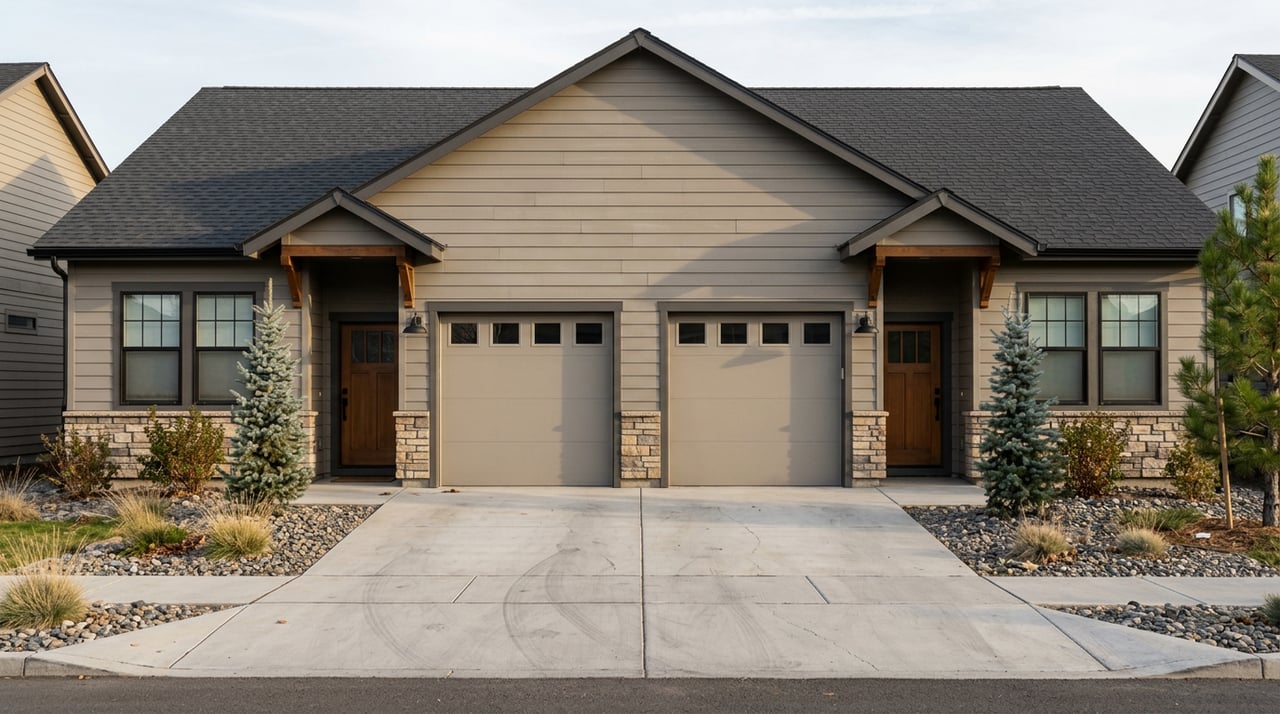
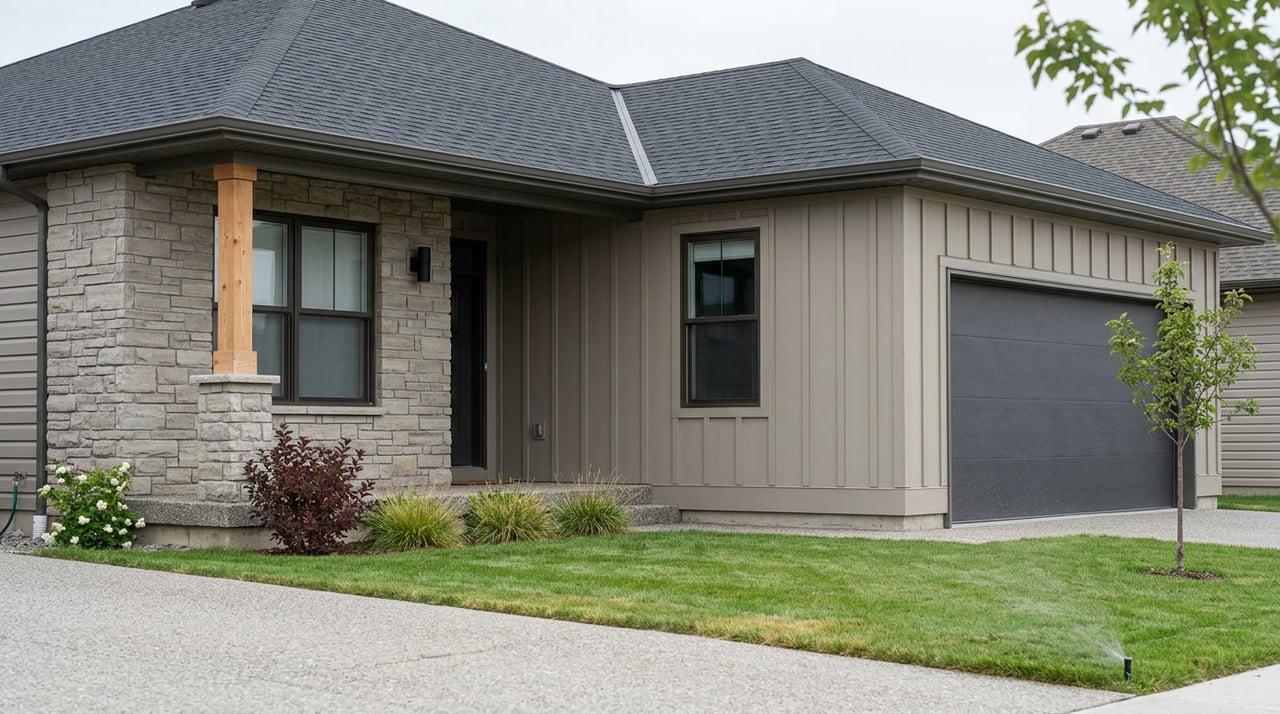
Most investor deals in Billings are single‑family rentals, duplexes and triplexes, or small 4 to 20‑unit buildings. While larger apartment assets show up in institutional reports, a lot of opportunity here trades via the local MLS in the SFR and 2–4 unit segment.
Neighborhoods carry different rent and turnover patterns. RentCafe’s neighborhood data shows rents vary across the city. Areas like Northwest/Shiloh and West Billings tend to command above‑average rents, while North Park and parts of East Central trend more affordable. Your target renter profile, commute times to major hospitals, and proximity to MSU Billings often influence achievable rent and seasonality. Use specific block‑level comps rather than city averages.
Inventory and pipeline also matter. Cushman notes modest new deliveries and steady absorption in recent quarters, which limits large near‑term supply risk at the metro level. That said, new projects can still pressure micro‑markets, so verify near‑term deliveries around your target property.
Underwrite with discipline
Quick screening rules
- Rent to price check: As a first pass, compare likely monthly rent to the asking price. Many cash‑flow buyers use a simple ratio screen to decide if a deeper look is warranted. Start with live local comps and Billings rent trends.
- 50% expense rule: For an initial filter, assume about half of gross rent will go to operating expenses before debt service. It is only a screen, not a substitute for a line‑item pro forma. Learn more about the 50% rule.
- Management and leasing: For single‑family and small multifamily, budget about 8 to 12 percent of collected rent for ongoing management, plus a leasing fee per turnover. See typical ranges in Apartment List’s fee overview.
Baseline assumptions for Billings
- Rents: Begin with unit‑type comps and citywide averages near $1,493, then adjust for neighborhood, unit size, parking and condition.
- Vacancy: Use 5.0 percent as a market baseline from Cushman’s Q3 2025 report. For stress tests, model 6 to 8 percent.
- Operating expenses: Screen at 50 percent of gross rent, then build a detailed line‑item budget for taxes, insurance, utilities you cover, routine repairs, turns, lawn/snow, and reserves.
- CapEx reserves: A common guideline is 5 to 10 percent of gross rent, or a flat $100 to $250 per unit each month depending on age and systems. For deeper context on reserve planning, see this resource overview.
- Property management: Model 8 to 12 percent and include leasing fees in year one.
Sample pro forma (SFR, screening only)
Here is a conservative pre‑financing example that mirrors current medians to show the math you should run before making an offer.
- Purchase price: $360,000.
- Market rent estimate for a 3‑bed: $1,870 per month. Annual gross scheduled rent = $22,440.
- Vacancy allowance: 7 percent to add buffer above the 5 percent market baseline. Effective gross income ≈ $22,440 × 0.93 = $20,869. (Vacancy context from Cushman’s Q3 2025 report.)
- Expenses (screen): 50 percent of gross scheduled rent ≈ $11,220.
- Estimated NOI: $20,869 − $11,220 ≈ $9,649.
- Implied cap rate: $9,649 ÷ $360,000 ≈ 2.7 percent.
This example shows that at today’s SFR prices, unlevered cap rates can be tight if you underwrite conservatively. That is your cue to shop hard for value, hunt for upside in rent, improve operations, or seek better pricing before moving forward.
Verify before you bid
- Pull recent sold comps for SFRs and 2–4 units from the MLS. Ask for both marketed and in‑place rents.
- Walk or virtually tour rent comps on the same block. Ask property managers what concessions they see today.
- Confirm the current tax assessment and estimate tax changes post‑sale through the Yellowstone County Assessor.
- Review seller financials, leases, deposits, and maintenance history. Ask for a record of turnover costs.
- Price out major systems with local contractors and get a full inspection.
Work with the right manager
Good local property managers help you set rent, shorten vacancy, and keep expenses clear. In Billings, expect percentage‑based fees in the 8 to 12 percent range, plus leasing fees per placement, and potential maintenance markups. See common structures in this fee survey.
Before you sign, get written proposals from at least three managers. Ask for tenant screening criteria, average days to placement, maintenance authorization thresholds, after‑hours response, owner statement samples, and how they handle legal process if a lease violation occurs. Also ask for two or three owner references with properties like yours.
Montana rules to know
- Habitability: Landlords must keep rentals fit and habitable, maintain common areas, and provide hot running water and reasonable heat between Oct 1 and May 1. Montana also requires verified smoke and carbon‑monoxide detectors at lease start. Review the habitability statute.
- Security deposits: If there are deductions, you must provide an itemized list and return any balance within 30 days after termination or surrender of the property. If there are no deductions, the timeline is 10 days. See the deposit statute.
- Notices and evictions: Montana sets specific notice periods and service requirements for nonpayment and other violations. Because timing and process drive cost, coordinate any action with an experienced local manager or attorney.
- Short‑term rentals: Billings has taken steps to require business licensing and permits for STRs. Rules and enforcement can change, so confirm current city requirements before converting a unit. Here is one recent regulatory note to frame your research.
Checklist for out‑of‑state investors
- Market comps: Request recent sold and pending comps for SFRs and 2–4 units. Compare asking rents to actual rent rolls when available.
- Rent checks: Pair MLS data with RentCafe’s citywide trends and confirm with two or three local property managers.
- Physical due diligence: Order a full inspection. Get quotes for roof, HVAC, plumbing, electrical, and sewer. For older buildings, ask your inspector about potential environmental risks.
- Operating detail: Collect P&Ls, leases, deposits, utility responsibility, and maintenance logs. Ask for detailed turnover cost history.
- Legal and tax: Verify local licensing or zoning, confirm property taxes with the Yellowstone County Assessor, and consult a Montana CPA on state tax and entity setup.
- Management: Solicit written proposals, compare fees and service levels, and review sample owner statements.
Ready to invest with confidence?
If you want a steady, data‑driven approach to Billings rentals, you need a local partner who knows the numbers and the neighborhoods. Our brokerage operates statewide, pairing high‑touch service with clear, honest guidance to help you source, tour, underwrite, negotiate, and close with confidence. When you are ready to explore on‑ or off‑market options in Billings, reach out to Tyree Real Estate, Inc. to start a focused search.
FAQs
Is Billings a good market for rentals in 2026?
- Billings shows balanced conditions with about 5.0 percent vacancy in late 2025 and average city rents near $1,493, which suggests steady demand supported by a diversified local economy.
What average rent should I use when underwriting?
- Start with about $1,493 per month as a citywide reference, then adjust based on unit type and neighborhood using local comps and RentCafe’s trend data.
What vacancy rate should I plug into my pro forma?
- Use the 5.0 percent stabilized baseline from Cushman’s Q3 2025 report and stress test at 6 to 8 percent for conservatism.
How much should I budget for property management in Billings?
- For SFRs and small multifamily, plan on 8 to 12 percent of collected rent plus a leasing fee per placement, consistent with Apartment List’s fee overview.
What legal obligations do Montana landlords have?
- Montana requires habitable conditions, functioning safety detectors, and timely deposit accounting and returns, with details in the habitability and security deposit statutes.