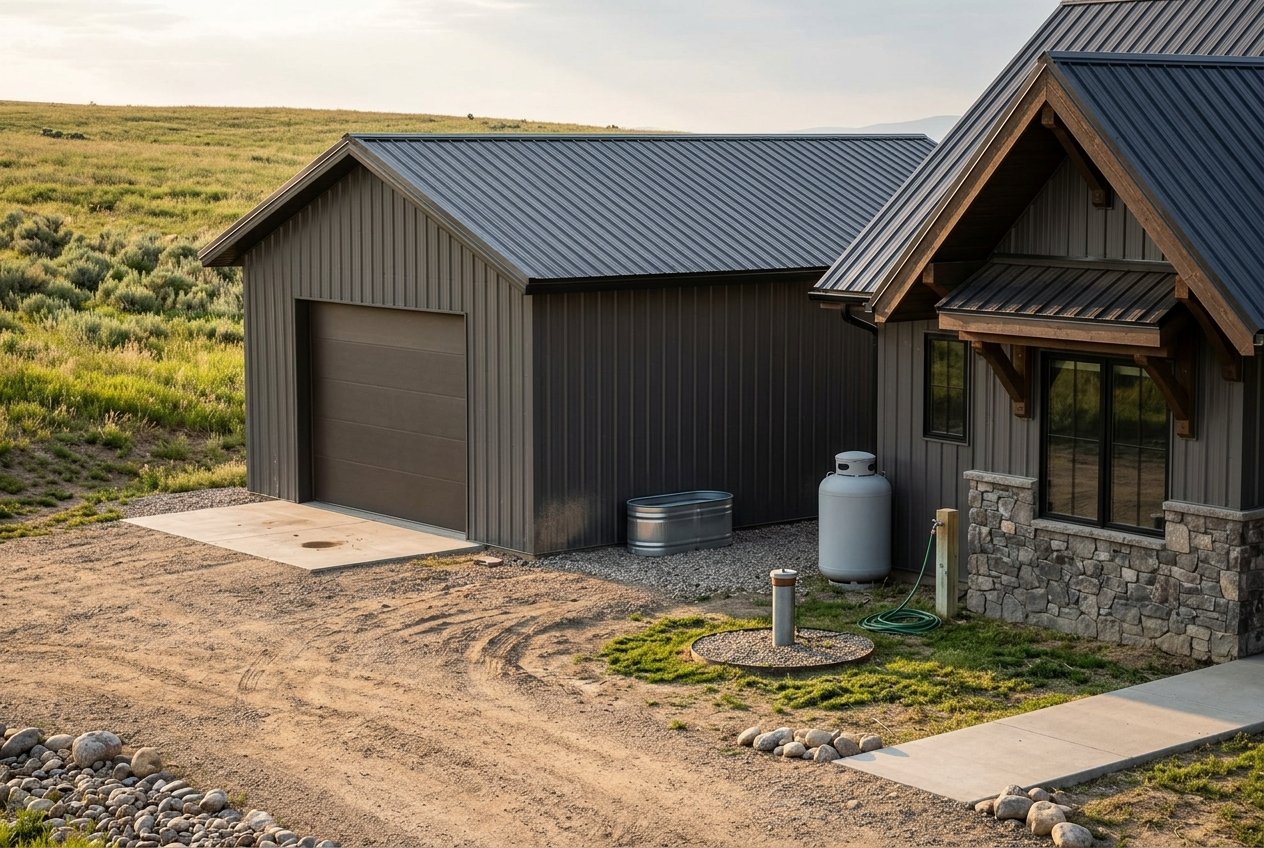
Buying Small Acreage Or Hobby Ranch Near Helena
Ever picture mornings with mountain views, a few horses in the pasture, and room to breathe just outside Helena? Small acreage and hobby ranch properties can deliver that lifestyle, but the details matter more than in town. In this guide, you’ll learn the critical checks for access, wells and water rights, septic, grazing, hazards, and timelines so you can buy with confidence. Let’s dive in.
Small-acreage purchases feel similar to residential buys, but key services are parcel specific. Many rural roads are private, and owners or associations handle snow removal and upkeep. Before you plan a new driveway or approach, review the Lewis & Clark County approach permit rules and road standards on the county permits page. You can find those details under Community Development and Planning.
Water and wastewater bring the biggest risk shift. Instead of city water and sewer, you will likely rely on a private well and on-site septic. Montana’s rules for small groundwater use, often called exempt wells, and the new Notice of Intent process mean you should verify water feasibility early. Start with the DNRC exempt well updates and Notice of Intent guidance.
Finally, hazards and overlays are more parcel specific. Floodplains, wildfire risk, and legacy mining areas can shape your plans and insurance. The Upper Tenmile Creek mining area west of Helena has a Superfund cleanup history, so review Upper Tenmile Creek Superfund documentation if your search extends into that basin.
Check that access is recorded, not just a track across a neighbor’s land. If the road is private, request the maintenance agreement, road improvement district documents, or HOA provisions that spell out snow removal and cost sharing. Insurers, lenders, and emergency services typically expect reliable year-round access.
If you plan a new driveway onto a county or public road, Lewis & Clark County requires an Approach Permit and has technical standards for culverts and drainage. Ask the county if an existing approach permit is on file for the parcel. You can review requirements on the county permits page.
Ask who plows the road, where snow drifts accumulate, and how maintenance is funded. Shared-use roads can work well when responsibilities are clear. Lack of winter access is a common post-closing surprise, so verify it before you write an offer.
Montana allows small groundwater developments without a permit if they are 35 gpm or less and use no more than 10 acre-feet per year. The DNRC closely reviews combined appropriations, and phased subdivisions cannot assume a separate exemption for each phase without review. As of January 1, 2026, anyone planning to rely on an exempt well must file a Notice of Intent and receive authorization before using that water. Read the DNRC exempt well updates and Notice of Intent guidance to confirm eligibility for a specific lot.
Ask the seller for well logs and any recent pump tests. Then look up nearby wells in the state’s Ground Water Information Center. GWIC well logs help you estimate drilling depth, historic yields, and potential water quality issues. Consider a modern pump test and a water quality panel before closing.
Request a DNRC water-rights query for the parcel and review any recorded rights or restrictions. If you will add livestock or a stock tank, confirm whether separate notices or authorizations are required. Build a little extra time into your contract for DNRC processing.
A rural home will likely use a septic system. The county requires a site evaluation for new or replacement systems, and Montana’s non-degradation rules may call for groundwater separation checks and a nitrate review. Find the process, fees, and timelines on the Lewis & Clark County septic program page.
If you plan to add bedrooms, a shop with plumbing, or a guest unit, verify septic capacity with the county sanitarian early. Depending on soils and groundwater, you may need an engineered or alternative system, which can add time and cost.
Carrying capacity depends on precipitation, soils, and pasture species, not just acres. Start with soils mapping and local guidance. The Lewis & Clark Conservation District and NRCS tools are useful starting points.
If you plan to lease pasture or share grazing, the MSU Extension grazing lease MontGuide provides Montana-focused stocking considerations and example lease language. It is a practical baseline for hobby ranchers.
If your parcel borders state trust land, check for existing grazing leases and renewal terms. Review rules, rates, and lease processes on DNRC state trust land grazing leases. Federal allotments on BLM or Forest Service lands are separate permits held by permittees, so ask about boundaries and seasonal restrictions if your property depends on them.
Confirm that stock water sources are legal and reliable, including springs, pipelines, or tanks. Some stock watering setups require specific DNRC notices. Inspect fencing condition and outline plans for repairs or additions.
Barns, arenas, and shop buildings may need permits or after-the-fact approvals if they were built without final sign-off. Lewis & Clark County Community Development & Planning handles building permits, conditional uses, subdivision review, and floodplain permits. Check the permit file for each improvement on the county permits page.
Floodplains influence building locations, insurance, and potential elevation requirements. Review the county floodplain program and request FEMA map panels if needed.
If your search includes the Tenmile Creek watershed or other historic mining areas, ask for any environmental assessments. The Upper Tenmile Creek Superfund documentation outlines the cleanup context and can help you decide whether to pursue additional testing.
Wildfire is a real consideration in many rural pockets. Assess defensible space needs and insurance impacts using the county’s Fire Preparedness guidance.
Broadband and cell coverage vary by address. Rural options may include cable in limited corridors, DSL or fiber where built, fixed wireless, and satellite. Check providers and coverage using a county-level view of rural broadband options in Lewis & Clark County, then verify service directly with carriers. Also confirm electric availability, potential line extensions, and any propane or natural gas options.
Expect a longer runway than an in-town home. Septic site evaluations, DNRC Notice of Intent processing, and engineered solutions can add weeks to months. Build contingency for:
Many lenders finance homes on acreage, but requirements can be stricter for undeveloped land, complex water-rights situations, or environmental concerns. Get insurance and lending quotes early, especially if wildfire or livestock liability may apply.
Small acreage can be a smart, rewarding buy when you tackle the right checks in the right order. If you want a trusted partner who understands Montana land, water, access, and ranch practicality, let’s talk about your goals and shortlist properties that fit. Connect with Tyree Real Estate, Inc. to start your search with confidence.
Stay up to date on the latest real estate trends.

Lifestyle

At Tyree Real Estate, our experienced team is deeply committed to the Montana community and your real estate success. Let us help you find your perfect home today!