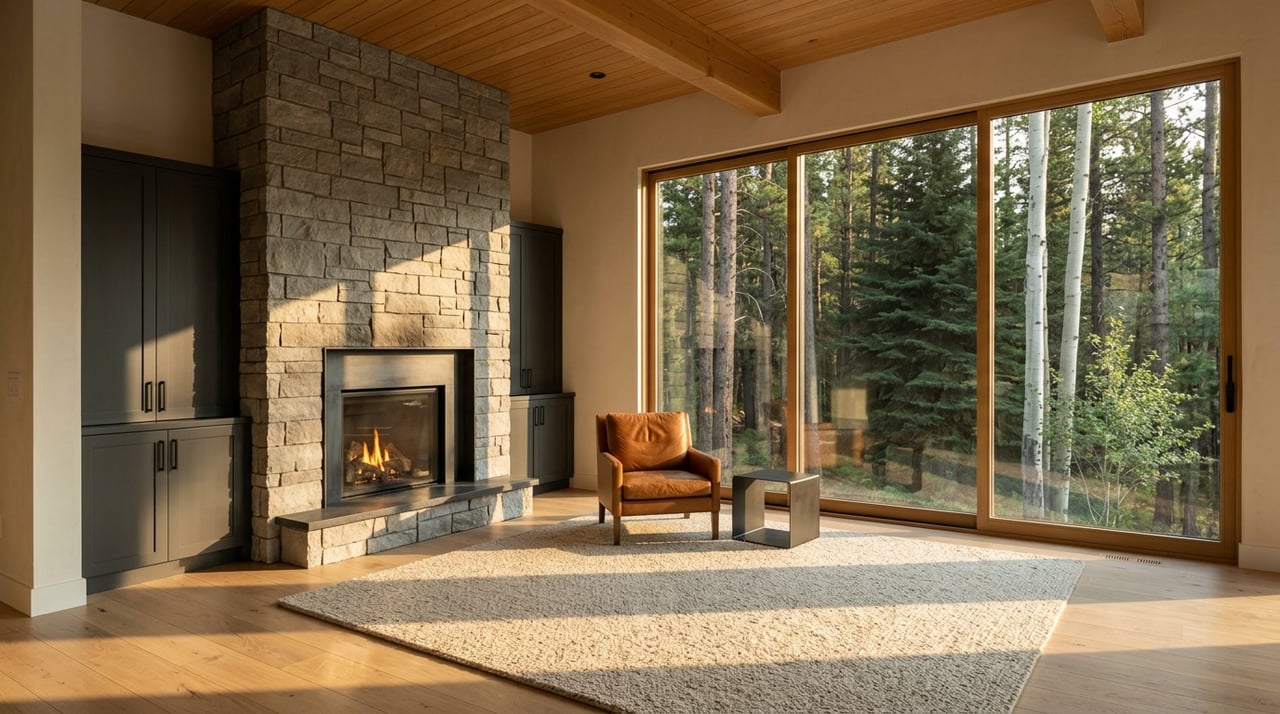
Bigfork New Builds Versus Classic Cabins For Buyers
If you are torn between a brand-new home and a classic cabin in Bigfork, you are not alone. This is one of the most common questions buyers face in this part of Montana, especially when you want both comfort and character. The good news is that each option can be a strong fit, depending on how you plan to use the property and how much hands-on upkeep you want. Let’s dive in.
Bigfork sits in the southeast corner of Flathead County, and the broader area many people think of as Bigfork also extends into Lake County. That matters because parcel details, utility service, and property systems can vary more than many buyers expect.
It also matters because Bigfork’s climate puts real pressure on a home. Regional data from nearby Kalispell Glacier Airport shows a January average temperature of 24.1°F, annual snowfall of 54.4 inches, and annual precipitation of 16.76 inches. In practical terms, that means insulation, air sealing, moisture control, roof design, and snow management are not small details. They are part of daily comfort and long-term ownership.
For many buyers, a new build offers a more predictable starting point. In Montana, new residential construction must meet the 2021 IECC with Montana amendments, which sets minimum standards for energy performance and construction features.
That baseline includes targets such as ceiling insulation of R-60/49, exterior wall insulation of R-21 or R-13+R-10 continuous insulation, windows and doors with a U-factor of U-.30, and blower-door testing at 4 ACH50 or less. New homes are also required to have an Energy Code Compliance Label, which buyers can often find near the breaker panel.
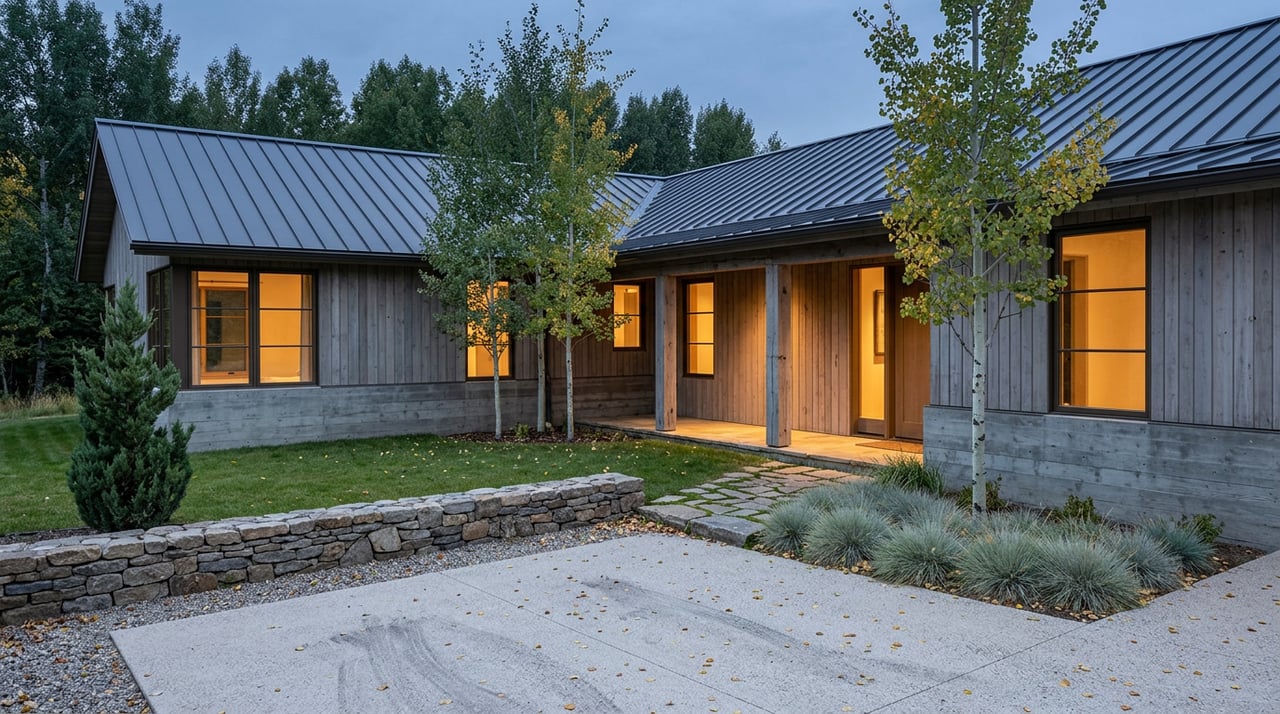
In plain language, that usually means a newer home starts out tighter, more efficient, and easier to heat and cool. You may still have maintenance over time, but you are less likely to face immediate weatherization projects or large comfort issues right after closing.
If your goal is full-time living or a lower-maintenance second home, newer construction can feel simpler from day one. You are typically comparing against a known code baseline rather than trying to estimate what may be hidden behind older walls, under floors, or above ceilings.
That can be especially appealing if you are buying from out of the area or want a smoother ownership experience. A newer home will not remove every future project, but it often reduces the number of early surprises.
Another practical advantage is utility service. Bigfork Water & Sewer District has served the unincorporated village since 1984 and reports more than 1,500 water and sewer connections. If a property is in or near the service area, that can simplify ownership compared with managing private systems.
For some buyers, public water and sewer is a major plus. It can mean fewer system questions during due diligence and fewer maintenance responsibilities after you move in.
Classic cabins and cottages often win buyers over with feel, not just features. Many have the rustic character people picture when they imagine life near Flathead Lake, including wood textures, porches, a smaller scale, and a stronger connection to the outdoors.
That appeal is real. Rustic design has long been associated with native materials and buildings that blend into the landscape. In Bigfork, that style fits naturally with the setting and can create a sense of place that is hard to duplicate in newer construction.
The tradeoff is that older homes often need more attention to perform like a modern residence. Older cabins may have insulation levels that fall well short of current standards, and they may need air sealing, moisture control improvements, ventilation updates, or broader weatherization work.
According to DOE guidance, reducing drafts can save roughly 10% to 20% annually in some homes. That does not mean every classic cabin is inefficient, but it does mean buyers should expect more variation in comfort and operating costs from one older property to the next.
If you want a cabin as an occasional retreat, you may be comfortable with quirks and slower upgrade timelines. If you plan to live there full time, the practical side matters more.
In Bigfork’s climate, shoulder-season comfort, roof performance, moisture control, and insulation can make a major difference. A classic cabin may still be the right choice, but it often works best when you go in with a clear budget and a realistic plan for improvements.
One of the biggest differences between a newer in-town property and an older cabin farther out is often the utility setup. Some parcels are connected to Bigfork Water & Sewer District, while others rely on a private well and onsite wastewater treatment.
That difference affects both due diligence and long-term ownership. With private systems, maintenance responsibility shifts to you as the owner, and that can add both cost and planning over time.
MSU Extension notes that private well and septic systems place maintenance responsibility on the homeowner. Montana DEQ’s homeowner guidance also warns that failing septic systems can be expensive to repair and can reduce property value.
Regular care matters. Septic systems are typically pumped every three to five years and inspected about every three years. Flathead County also states that septic regulations and construction standards changed on April 1, 2026, so permit history, system age, and as-built documentation deserve close review.
In a lake-and-forest setting like Bigfork, wildfire preparation should be part of your comparison. Montana has adopted the 2021 International Wildland-Urban Interface Code, and Montana DNRC says home hardening and maintaining the Home Ignition Zone can significantly improve a home’s survival odds during wildfire.
DNRC notes that the Home Ignition Zone typically extends up to 200 feet from the structure. NIFC also says homes are most often ignited by embers or small flames, not one large fire front.
For a classic cabin, this can mean more exterior work over time. Wood siding, older roofs, open vents, clogged gutters, and dense vegetation can all increase maintenance demands in wooded settings.
A newer build may still need defensible-space work, but older cabins often require more updates to align with current wildfire-readiness best practices. That is especially important if the lot is heavily treed or sits near the wildland-urban interface.
There is no one-size-fits-all answer in Bigfork. The better choice depends on how you plan to use the home, how much uncertainty you are comfortable with, and whether you value turnkey performance more than vintage character.
Here is a simple side-by-side view:
| Feature | New Build | Classic Cabin |
|---|---|---|
| Energy performance baseline | More predictable under current Montana code | Varies widely by age and upgrades |
| Immediate maintenance | Often lower at the start | Often higher or less predictable |
| Utility setup | More likely to be simpler if near district service | More likely to need well and septic review |
| Character | Cleaner, newer finishes | Strong rustic charm and sense of place |
| Year-round comfort | Usually stronger baseline | Depends on upgrades and condition |
| Upgrade potential | Fewer near-term needs | More opportunity to modernize over time |
No matter which direction you lean, careful due diligence is essential in Bigfork. A beautiful setting does not replace the need to verify systems, documents, and condition.
Use this checklist as a starting point:
In many cases, newer builds in Bigfork offer a better baseline for full-time use and lower immediate maintenance. Classic cabins often deliver the atmosphere buyers love, but they can come with more retrofit decisions and system-related questions.
If you know what matters most to you, the decision gets easier. Some buyers want a more turnkey Montana retreat. Others are happy to trade convenience for character and improve an older property over time.
The key is not choosing the home that looks best on day one. It is choosing the property that matches your lifestyle, budget, and comfort level with ownership. If you want local, practical guidance as you compare Bigfork homes, Tyree Real Estate, Inc. can help you evaluate the details with a clear Montana lens.
Stay up to date on the latest real estate trends.
Lifestyle

At Tyree Real Estate, our experienced team is deeply committed to the Montana community and your real estate success. Let us help you find your perfect home today!