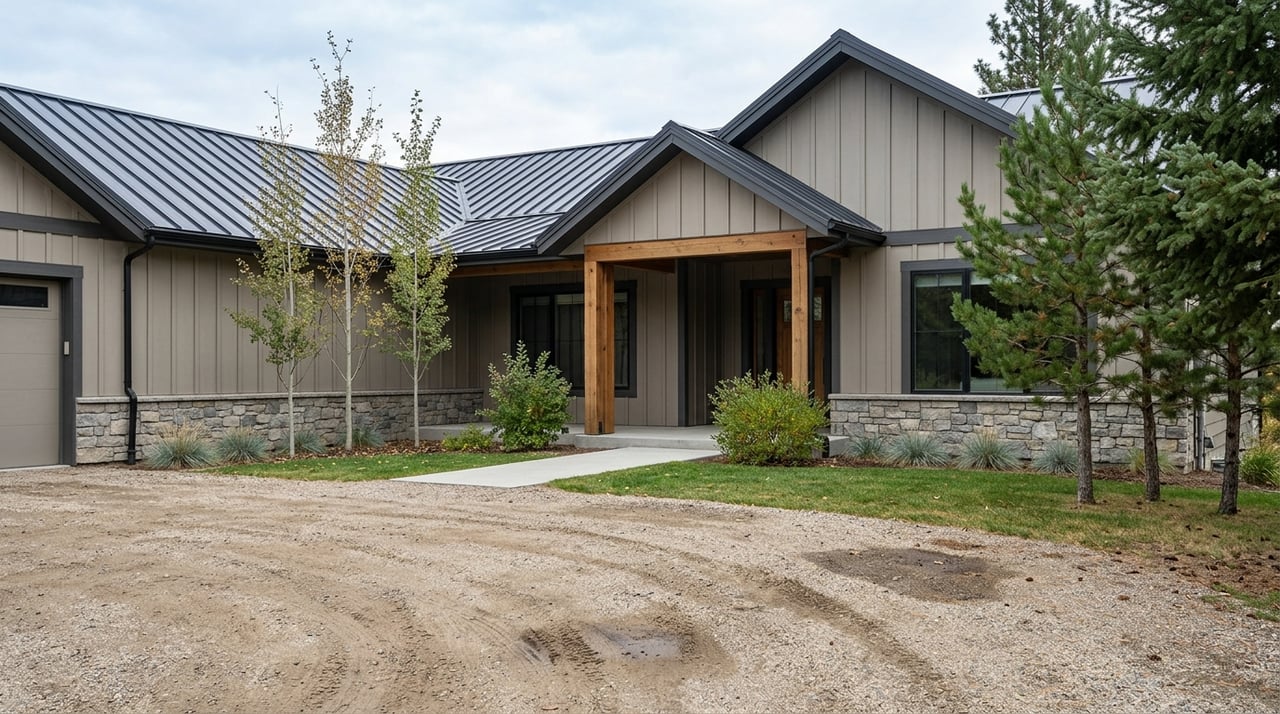
How to Prepare a Flathead County Ranch for Sale
Selling a ranch or acreage in Flathead County is not like listing a house in town. Buyers usually want answers about access, water, septic, easements, surveys, and land condition before they ever set foot on the property. If you prepare those details early, you can make your property easier to market, easier to understand, and easier to sell. Let’s dive in.
Before your listing goes live, gather the documents that explain exactly what you own and how the property works. For ranches and larger acreage, that paper trail often shapes buyer confidence just as much as the land itself.
Flathead County’s Plat Room is the official source for land ownership information and survey records. The county GIS system can also help you pull parcel details, district boundaries, appraisal links, septic permit information, and surveys of record. If you want your listing package to feel complete and credible, this is one of the best places to start.
A strong pre-listing file may include:
Flathead County also advises property owners to verify legal descriptions before recording. That matters because acreage buyers often compare the legal record to what they see on the ground.
If your property has guest quarters, rental structures, commercial outbuildings, or other unusual improvements, confirm whether those uses were allowed. Flathead County notes that some permitted uses still need site plan review, while conditional uses require separate approval.
This step can help you avoid surprises later. If a buyer asks whether a structure or use was properly approved, you want a clear answer ready.
If your acreage includes a residence, Montana law requires a seller disclosure statement covering known adverse material facts. That includes issues tied to title, water service, wastewater treatment, utility connections, structural or residential defects, unpermitted additions, hazardous materials, and soil or drainage problems.
The disclosure is not a warranty, but it is still a major part of the sale process. Under Montana law, if that disclosure is delivered after contract, the buyer generally has 3 days to rescind. Preparing it early can help reduce delays and keep the transaction moving.
For rural properties, buyers commonly want straightforward answers about:
The clearer your information is up front, the easier it is for a buyer to evaluate the property with confidence.
On a Flathead County ranch or acreage, water and wastewater are core value items. Buyers will usually ask about them early, and they will expect documentation rather than guesswork.
Flathead County states that septic regulations and construction standards changed on April 1, 2026. That means older assumptions, past conversations, or outdated paperwork may not be enough if you are trying to represent the property accurately.
The county’s Environmental Health department provides both a land research request form and a septic permit lookup. If your property may support a second dwelling or additional bedrooms, the county says septic sizing and zoning approval should be checked before moving forward.
If your property has a well, do not assume the well log alone answers a buyer’s questions. Montana DNRC says a well log filed by a driller is not the same as filing a water right.
DNRC also states that a recorded water right is required for most water uses to be valid, legal, and defensible. Buyers and sellers should search for water rights appurtenant to the property, not just rights listed under the current owner’s name.
When you prepare your listing, be ready to explain:
DNRC further recommends annual coliform testing for most wells. If you already have recent test information, that can help you present the property more clearly.
A beautiful piece of ground can lose momentum fast if buyers feel uncertain about getting there, using it, or insuring it. Access and location details are practical issues, and they matter even more for remote and out-of-area buyers.
Flathead County requires roadway permits when creating or changing an approach to a county road and when work affects the county right-of-way or traffic flow. If you have completed road approach work, driveway changes, or similar access improvements, gather any related records.
The county also notes that seasonal load limits can affect heavy trucks and equipment. If you are doing cleanup or hauling materials before listing, check road status before moving machinery.
Flathead County’s Address Improvement Program is designed to help emergency responders locate structures quickly. The county says address numbers should be at least 4 inches tall, prominently displayed, and posted within 30 days of assignment.
If the house is not visible from the road, the address should be displayed at the driveway entrance. This small step can make showings smoother and helps the property feel better prepared from the moment someone arrives.
If your acreage includes low ground or sits near a creek, river, or slough, verify floodplain status early. Flathead County uses FEMA Flood Insurance Rate Maps to set minimum building requirements in floodplains, and lenders use them to determine flood insurance requirements.
The county also notes that standard homeowners insurance does not cover flood. If floodplain status may affect financing, insurance, or future building plans, it is better to know that before the listing goes live.
Ranch and acreage buyers often form their first opinion before they ever inspect a fence line or ask for records. The drive in, the condition of the ground, and the overall sense of care all matter.
In Flathead County, weed control is more than curb appeal. Landowners have a legal obligation to manage noxious weeds, and the county’s priority list includes species such as spotted knapweed, Canada thistle, oxeye daisy, orange hawkweed, leafy spurge, and houndstongue.
The county also notes that disturbed ground, roadsides, trails, and construction sites are common entry points for infestation. If you have recently disturbed soil, reseeding helps reduce reinfestation.
A clean pasture, trimmed roadside edges, and a visible weed-management effort can help your property show as well maintained. It also signals that you have paid attention to stewardship, which matters to many Montana acreage buyers.
If you plan to burn slash or brush piles during cleanup, verify current rules before doing it. Flathead County’s Environmental Health resources include county burn permit and notification information, and the county should be contacted directly for winter burning guidance.
This is one of those details that is easy to overlook in a pre-sale cleanup plan. A quick check can help you avoid creating a new problem while trying to improve presentation.
Your driveway entry, gate, and turnout area should feel usable and easy to navigate. Buyers touring rural property often arrive with trucks, multiple vehicles, or trailers, and first impressions start at the road.
Clear entries, tidy turnarounds, and obvious parking areas can make the showing experience much better. They also help reinforce that the property is functional, not just scenic.
Many Flathead County acreage buyers make their first decision remotely. They may study maps, aerials, legal details, and permit records before they decide whether to book a showing.
That means your marketing packet should answer practical questions quickly and clearly.
Flathead County GIS maintains aerial imagery, parcels, roads, district boundaries, hydrology, environmental layers, and other mapping data. The county describes its Interactive Mapping Application as a premier source for land record information.
For a ranch or acreage sale, that makes aerial images, annotated parcel maps, and parcel-level land data especially useful. Buyers want to understand shape, access, water features, and nearby context before they visit.
Flathead County does not administer a county building department, so county building permits are not required. However, the state building codes program still governs many plumbing, electrical, mechanical, and building permits.
If you have barns, shops, guest quarters, remodels, plumbing work, or utility upgrades that were permitted under state rules, keep those records together. Organized files help buyers assess improvements with fewer questions.
A strong acreage packet should usually cover:
Most buyers are trying to answer the same core questions: Is access legal and usable? Is the well and water right documented? Is the septic approved and sized properly? Are there easements, leases, weed concerns, floodplain issues, or unpermitted improvements? If you can answer those clearly, your listing will stand out.
A ranch or acreage sale usually involves more moving parts than a standard residential listing. Buyers are not just evaluating a home. They are evaluating land, records, use, access, and long-term practicality.
When you prepare early, you reduce uncertainty and make your property easier to market to both local and out-of-area buyers. That kind of preparation supports stronger marketing, smoother showings, and a more confident sale process.
If you are getting ready to sell a ranch, land parcel, or acreage property in Flathead County, Tyree Real Estate, Inc. offers hands-on Montana guidance and specialized marketing for rural and lifestyle properties.
Stay up to date on the latest real estate trends.




At Tyree Real Estate, our experienced team is deeply committed to the Montana community and your real estate success. Let us help you find your perfect home today!