Buying A Historic Home In Butte
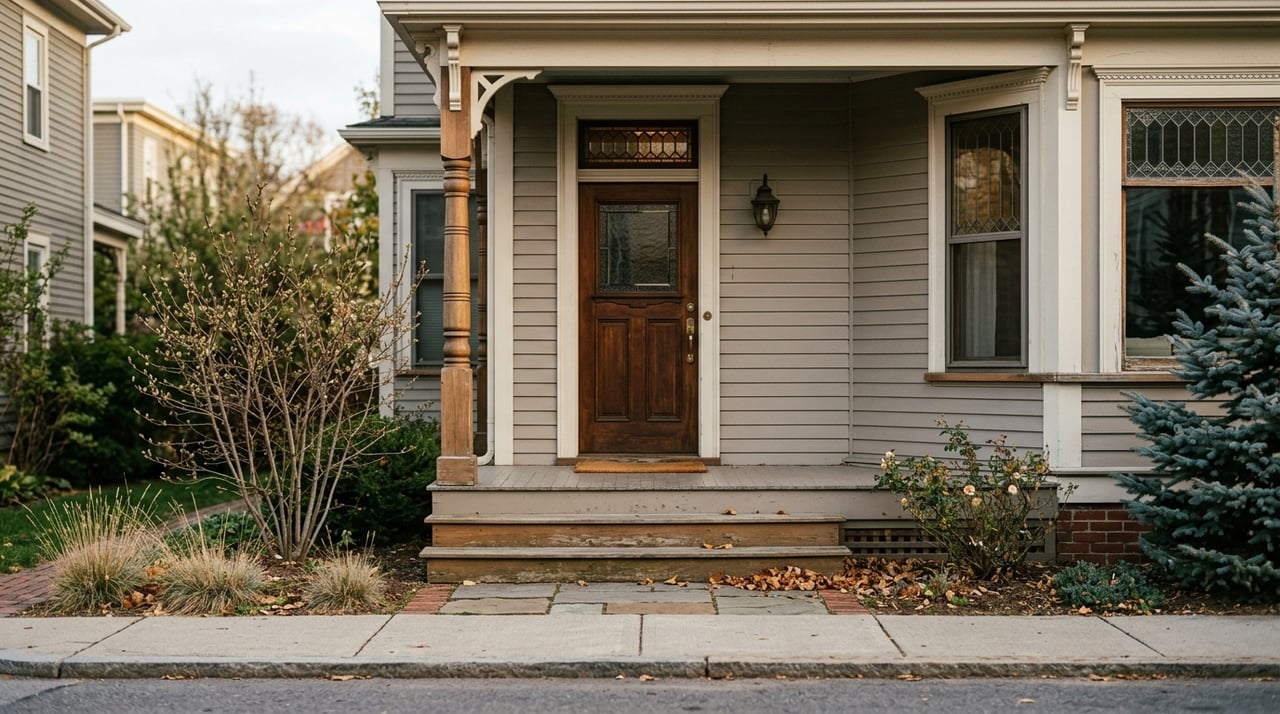
Thinking about buying a historic home in Butte? You are not alone. From ornate late-Victorian houses to simple workers’ cottages, Butte offers a wide range of older homes with real character and a strong sense of place. If you are considering one, it helps to understand what historic status can mean, what to inspect closely, and how to plan for repairs before you move forward. Let’s dive in.
Butte is home to part of the Butte-Anaconda National Historic Landmark District, and Butte-Silver Bow describes it as one of the largest National Historic Districts in the country. The district includes Butte, Anaconda, Walkerville, and the railroad corridor, with a period of significance from 1876 to 1934.
That history shows up in the housing stock. You may see Queen Anne, Italianate, Colonial Revival, Tudor Revival, Art Deco, and Bungalow/Craftsman styles, along with Queen Anne cottages and workers’ cottages. In other words, a historic home in Butte is not one specific look or price point.
For many buyers, the value is not just in decorative details. Historic character often comes from original massing, porches, windows, woodwork, and the way a home fits into the surrounding streetscape. According to the National Park Service rehabilitation standards, preserving these features often means repairing materials when possible instead of replacing them outright.
One of the biggest misconceptions buyers have is that any historic designation automatically brings strict federal rules. That is not how it works. The National Park Service explains that National Register or National Historic Landmark status does not, by itself, place federal restrictions on a private owner.
That said, local rules can still matter quite a bit. In Butte, the local preservation program is administered by the Historic Preservation Commission and Historic Preservation Office. If a property is inside the local Historic Overlay, exterior work may require review.
Based on Butte-Silver Bow’s posted zoning ordinance update draft, the Historic Overlay is designed to preserve historic land-use and development patterns in Uptown Butte and reinforce design quality, scale, and massing. The draft also states that a Certificate of Design Approval may be required before certain exterior features or site elements are erected, altered, restored, demolished, or moved.
If you are serious about a historic home in Butte, verify approval requirements before you finalize your plans. This is especially important if you are already thinking about updates.
Common items to check early include:
The same draft ordinance notes that ordinary maintenance and repairs that do not change appearance are exempt. Even so, it is smart to confirm what counts as maintenance versus an alteration before you budget for work or write your offer strategy.
Historic-home buyers sometimes assume designation creates a homeowner tax break. In most cases, that is not true for a primary residence.
The federal 20% Historic Preservation Tax Credit applies to income-producing properties, not owner-occupied residential houses. Montana SHPO also states that the state credit supports qualified rehabilitation of income-producing historic buildings.
In Silver Bow County’s portion of the district, Butte-Silver Bow’s Historic Revitalization Project is described as a reimbursement grant program for income-producing commercial buildings, with expected awards around $50,000 to $200,000. If you are buying a house to live in, do not assume those incentives will apply to your purchase.
Historic homes can offer craftsmanship and charm that newer homes often do not match. They can also come with aging systems and deferred maintenance. A careful inspection process matters.
Moisture is one of the first things to take seriously. The National Park Service guidance on moisture problems notes that older homes can be vulnerable to missing mortar, cracks around windows and doors, clogged gutters, failing downspouts, ice dams, and damp basements.
In practice, that means you will want to look closely at the roof, flashing, drainage, masonry, and any signs of water entry. Fixing the source of moisture early is often more important than jumping right into cosmetic work.
Old windows can worry buyers, especially during a Montana winter. But replacement is not always the first or best step.
According to the National Park Service guidance on historic windows and doors, many historic windows can be repaired or improved with caulking, weatherstripping, storm windows, and careful inspection. The same guidance also recommends energy audits and minimally invasive weatherization measures before major replacement decisions.
Mechanical systems deserve extra attention in older homes. The National Park Service fire guidance says electrical malfunctions are the most common cause of fires in the historic structures it manages.
That can include outdated wiring, overloaded circuits, and long-term use of extension cords. Heating systems, boilers, wood stoves, and chimneys also deserve close review, especially if they have not been updated recently.
Environmental hazards are another important part of due diligence. The EPA says older homes are more likely to contain lead-based paint, and it reports that 87% of homes built before 1940 contain some lead-based paint.
The EPA also notes that paid renovation work that disturbs paint in pre-1978 housing must be completed by lead-safe certified firms. For asbestos, materials that are damaged or likely to be disturbed should be handled by trained and accredited professionals.
Historic-home budgets usually work best when you think in phases. Repairing original materials, sourcing compatible replacements, and waiting on custom work can all take more time than a standard renovation.
The National Park Service rehabilitation standards emphasize repair over replacement and compatibility over wholesale change. That is why many buyers benefit from planning for:
Even if a house looks move-in ready, it is wise to leave room in your budget for surprises. Older homes often reveal additional needs once you begin maintenance or upgrades.
A historic home purchase usually involves more coordination than a newer home. That does not make it a bad decision. It just means your team matters.
The National Park Service recommends consulting qualified preservation professionals during the planning stage, including architects, architectural historians, historians, archaeologists, and others with preservation experience when appropriate. If work may disturb lead paint or asbestos, use properly trained EPA-certified or accredited professionals for that scope.
For a buyer, the practical takeaway is simple: get the right information early. That can help you make a more confident offer, avoid unrealistic renovation assumptions, and protect the features that drew you to the home in the first place.
Before you close on a historic home in Butte, verify the basics. This step can save time, money, and frustration later.
Use this checklist as a starting point:
If you are drawn to Butte for its architecture, history, and one-of-a-kind housing stock, a historic home can be a meaningful purchase. The key is going in with a clear plan, realistic expectations, and local guidance you can trust.
Whether you are buying from across Montana or relocating from out of state, Tyree Real Estate, Inc. offers hands-on guidance to help you navigate unique properties with confidence and clarity.
Stay up to date on the latest real estate trends.

Lifestyle

At Tyree Real Estate, our experienced team is deeply committed to the Montana community and your real estate success. Let us help you find your perfect home today!