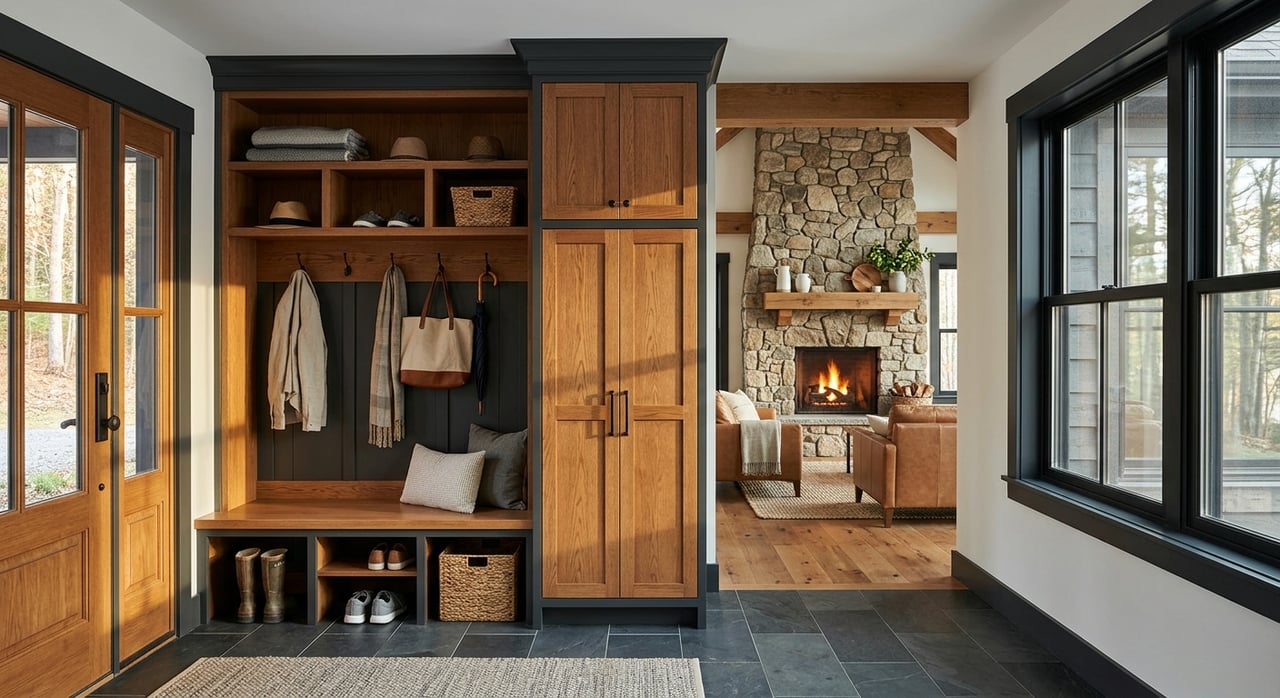
Out-Of-State Buyer Roadmap For Bozeman Homes
If you’re trying to buy a home in Bozeman from another state, the process can feel like a lot to manage at once. You want good information, clear timing, and a local partner who can help you move with confidence without wasting trips or missing deadlines. The good news is that with the right plan, you can shop, negotiate, and close on a Bozeman home from afar with far less stress. Let’s walk through the roadmap.
Bozeman remains a high-value market, so remote buyers benefit from being organized before they start touring. Redfin reports a March 2026 median sale price of $665,000 in Bozeman, while the same source notes median days on market of 78. That means you need a plan that balances careful review with timely decisions.
Gallatin County values also remain elevated. Redfin’s Bozeman market data notes strong pricing context for the area, and the U.S. Census Bureau estimated Bozeman’s population at 57,894 in July 2024. For you as an out-of-state buyer, the key takeaway is simple: get financially ready early, then narrow your options efficiently.
Before you line up virtual tours, get preapproved. The Consumer Financial Protection Bureau explains that a preapproval letter shows a lender’s tentative willingness to lend and that sellers often expect to see one with an offer. It also notes that preapprovals often expire after 30 to 60 days.
Your lender will review income, assets, debts, and credit as part of the process. If you are buying from out of state, this matters even more because you may need to act quickly once the right property appears. Having financing in place helps you focus on homes that fit your real budget.
You should also plan for costs beyond your down payment. According to the CFPB’s homebuying guidance, closing costs typically run about 2% to 5% of the purchase price. During underwriting, your lender may also ask for extra paperwork or explanations for large deposits, so it helps to keep your records organized from the start.
When you live outside Montana, touring every possible home in person is rarely the best use of your time. The National Association of Realtors notes that virtual tours let buyers explore a property from anywhere and have become essential in digital home shopping. That makes them a practical first filter for Bozeman buyers.
A smart remote workflow often looks like this:
This approach helps you avoid travel for homes that do not hold up once you see them more closely. It also gives you a better shortlist before you make decisions about timing, financing, and offer strategy.
For an out-of-state purchase, a local agent often becomes your transaction hub. In Montana, buyer agents must act in the buyer’s best interests, obey lawful instructions, disclose relevant and material facts, safeguard confidences, and carry out the buyer-broker agreement, according to Montana real estate law. That legal framework gives you an important layer of guidance during a remote transaction.
In practice, your local agent can help coordinate virtual showings, keep documents moving, track deadlines, and keep communication clear between all parties. That kind of hands-on support matters when you are buying from another state and cannot pop over for every step. It is one of the biggest advantages of working with a full-service Montana brokerage.
At the same time, there are limits to an agent’s role. Montana rules also say licensees may not practice law and should advise clients to seek outside professional services when appropriate. So while your agent can guide the transaction, your attorney and tax professional should handle legal structure and tax-specific questions.
Once you identify the right home, your offer needs to be both competitive and well organized. This is where a local agent helps you move from interest to action by coordinating signatures, deadlines, and communication. For out-of-state buyers, smooth document handling can make the difference between a calm transaction and a rushed one.
It also helps to know who handles what:
If you are buying a primary residence, second home, or entity-owned property, ask those questions early. The right professionals can help you avoid last-minute surprises.
After a contract is accepted, move quickly on the inspection. The CFPB advises scheduling the home inspection as soon as possible, using an independent inspector, and remembering that an inspection is different from an appraisal. If issues come up, the contract may allow you to negotiate repairs or cancel, depending on the terms.
This step is especially important when you are buying remotely. Your inspector is the person giving you an on-the-ground condition review, and that role should stay independent. Montana also now requires home inspectors to be licensed, and the state says its Licensee Lookup System is the primary source for verifying credentials.
Your agent can help coordinate timing, but condition review belongs to the inspector. Montana law makes clear that a broker is not required to conduct an independent inspection or verify a seller’s representations. That is why choosing and verifying the right inspector matters.
Even after your offer is accepted, your lender’s work is not done. The CFPB notes that lenders may request additional documents during underwriting, and buyers need to respond quickly. If you are remote, delays can happen fast when paperwork sits too long.
A simple way to stay ahead is to keep digital copies of bank statements, pay stubs, tax returns, and ID ready to send. If your lender asks about deposits, employment, or account activity, answer promptly and clearly. This part of the process is rarely glamorous, but it is critical to getting to the closing table on time.
Before closing, you must receive the Closing Disclosure at least three business days in advance. The CFPB explains that you should contact your lender or closing agent at least a week before closing to confirm how that document will be delivered. This gives you time to review the final numbers and ask questions.
Closing usually includes homeowner’s insurance, title insurance, and other settlement services. If you want legal review of the deed or closing documents, this is the time to involve your attorney. CFPB guidance also notes that buyers may want an attorney to confirm that deed language creates the ownership structure they want.
Many out-of-state buyers assume they must fly to Montana to sign closing documents. That is not always the case. Montana permits remote online notarization, provided the notary is physically located in Montana, even if the signer is elsewhere.
That can reduce travel and simplify the final stretch of the transaction. Still, availability depends on the parties involved and the documents being signed, so ask early whether your closing can be handled this way. It is much easier to coordinate remote signing before the last week than during it.
The days before closing are when buyers need to be extra careful. The CFPB warns about mortgage closing scams that target buyers with fake wiring instructions. If you receive a last-minute email with new payment details, slow down and verify it.
A good rule is to confirm wiring instructions by phone or another trusted method, not by replying to the same email thread. This small step can help protect one of the largest transfers of money you will ever make.
Your monthly mortgage payment is only part of the affordability picture. Montana’s 2025 property-tax updates introduced tiered tax rates for residential property, and the Homestead Reduced Rate applies to a principal residence rather than automatically following you to a new home. For out-of-state buyers, that makes intended use important.
If the Bozeman home will be your principal residence, second home, or held in an entity, ask a tax professional how that may affect classification. The Montana Department of Revenue also notes in its homestead guidance that reduced-rate treatment does not simply transfer automatically when you move. Getting clarity early helps you budget more accurately.
Once documents are signed and funds are delivered, the transaction still has one final local step. In Gallatin County, deeds, mortgages, liens, plats, and related real-estate documents are recorded by the county, and the county’s online document search lets you confirm that recording took place. That can be reassuring when you are buying from another state.
For remote buyers, this is another reminder that local systems matter. A strong Montana real estate partner can help you keep the process moving, while your lender, inspector, attorney, and tax professional each handle the work that belongs in their lane.
Buying a Bozeman home from out of state does not have to feel like a leap in the dark. With financing lined up, a clear virtual-tour strategy, quick inspection scheduling, careful closing review, and the right local guidance, you can make informed decisions every step of the way. If you want a steady, high-touch Montana partner for your search, connect with Tyree Real Estate, Inc. to start the conversation.
Stay up to date on the latest real estate trends.


Lifestyle



At Tyree Real Estate, our experienced team is deeply committed to the Montana community and your real estate success. Let us help you find your perfect home today!