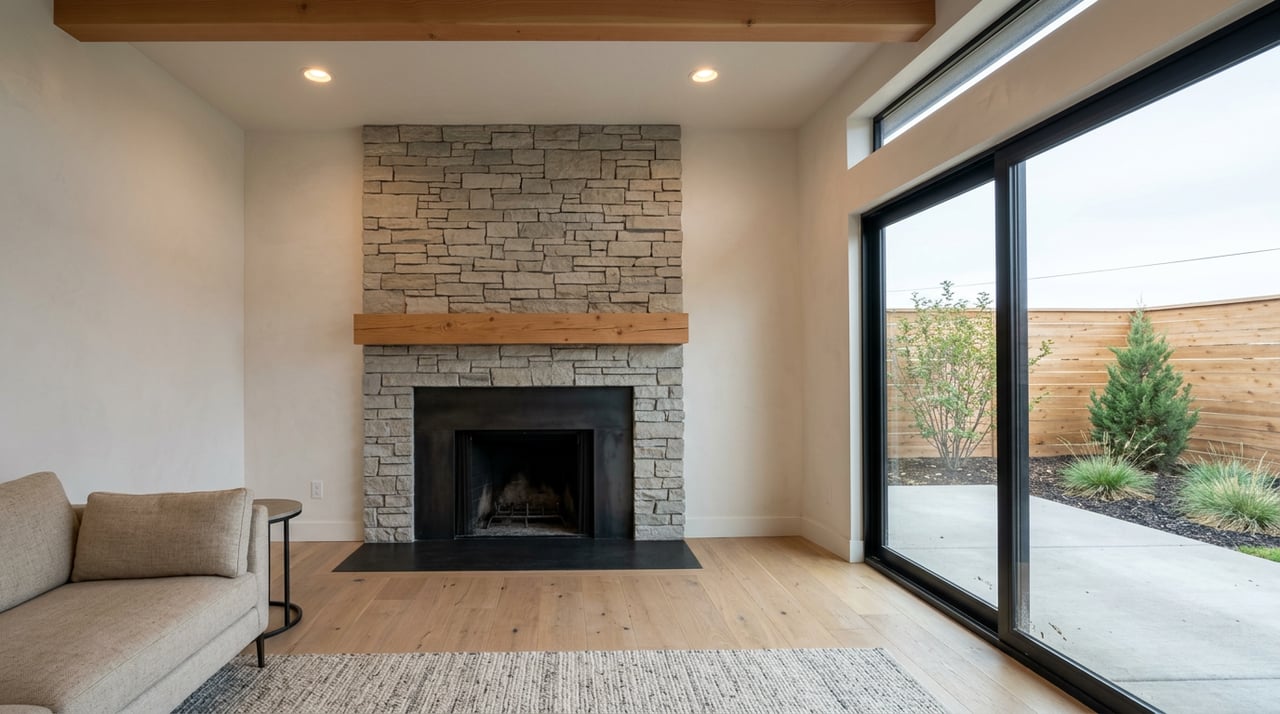
Bozeman New Construction vs Resale: Find Your Best Fit
Thinking about buying in Bozeman and torn between a brand-new home and a resale? You are not alone. With a lively market and real costs at stake, the choice affects your budget, timeline, comfort, and the way you live. In this guide, you will learn the key tradeoffs, local fees and rules that matter in Bozeman, and a simple decision path to pick the right option for you. Let’s dive in.
Gallatin County has remained a relatively high-priced, active market. For up-to-date medians and days on market, check the current county snapshot on Realtor.com’s Gallatin County page before you decide.
Montana adopted a statewide residential energy code based on the 2021 IECC, effective June 10, 2022. New homes built to this code in Bozeman typically deliver tighter building envelopes, better insulation, and mechanical ventilation that can lower heating and cooling costs compared with many older homes. You can review the state summary on the Montana DEQ energy code page.
New builds must meet current code. In Montana, that means modern insulation levels, verified air tightness, and ventilation requirements that support comfort and efficiency. These features can reduce immediate repair risk on major systems and help you predict utility costs more confidently. The DEQ’s 2021 IECC adoption overview explains what is included at a baseline today.
You can choose floor plans, finishes, fixtures, and smart features from the start. Most builders set allowances for items like cabinets, counters, flooring, and appliances. If you go over those allowances, you will pay the difference. Expect selection deadlines and possible change-order fees if you alter choices midstream. A practical overview of how these choices usually work is outlined in this new-construction buyer guide.
Most builders offer written coverage such as a one-year workmanship warranty, two-year systems coverage, and a longer structural plan, commonly 10 years, sometimes through a third-party provider. Get the warranty in writing and ask how to file claims. In addition, Montana recognizes an implied warranty of habitability for buyers of newly built homes sold by a builder-vendor when defects make a home uninhabitable. You can read a Montana Supreme Court decision discussing this concept here. Even with these protections, a clear written warranty and process are essential. For typical warranty structures and what to ask, see the new-construction buyer guide.
A made-to-order or custom home often runs 6 to 12 months from contract to close, depending on scope and weather. Production and spec homes can be faster if a build is already underway. Because rates can shift during a build, speak with your lender early about rate-lock windows and plan housing contingencies if you need to move before completion. This step-by-step guide explains how timelines and selections fit together.
New homes rarely include every finish outside the front door. Plan for:
Resale homes in Bozeman’s established areas often come with mature trees, finished landscaping, and a neighborhood character you can see today. That setting can be hard to replicate immediately in a brand-new subdivision. New communities may offer planned amenities, yet it takes time for streetscapes and yards to mature. A practical comparison of these tradeoffs appears in this buyer-friendly overview.
If you need housing soon or want a straightforward closing schedule, resale often wins. Standard contracts and lender timelines mean you can be in your home in weeks rather than months. That can also reduce the need for bridge housing or complex rate-lock strategies. See a quick contrast of timelines in the same new-construction guide.
Resales may have distinctive finishes or larger lots, but systems can be older. Use inspections and, if desired, an energy audit to map likely near-term expenses. You can compare current county medians and time-on-market on Realtor.com’s Gallatin County page as you weigh value versus updates.
When you build in the City of Bozeman, the city assesses development impact fees for water, sewer, fire and EMS, and transportation. The fee schedule that applies to your project is set by the date your permit passes the city’s prescreen step. Impact fees are commonly due at permit issuance, and transportation fees may be eligible for deferral until the certificate of occupancy with an approved agreement. Review current rules and the city’s estimator on the Bozeman impact fees page.
The City also updates building permit and valuation fee methods periodically. For example, a fee schedule update was posted in mid 2025. Because these schedules can change each year, confirm the latest details and how the prescreen date affects your fees on the City’s fee notice page.
Use the Southwest Montana Building Industry Association to find member builders and recent Parade of Homes participants. Membership is a helpful first screen for established firms. Begin your list at SWMBIA, then tour model homes for build quality and style fit.
Ask for addresses of recent projects and review permit histories with the City of Bozeman or Gallatin County for county properties. Understanding the prescreen date and fee timing also helps you pin down costs. The City’s overview of fees and permit steps appears on the Bozeman impact fees page.
Request homeowner references from the past year and visit active jobsites. Look for professionalism, site cleanliness, and material storage. Many builders outline this process in buyer guides, including this step-by-step resource.
Confirm allowance amounts for cabinets, counters, flooring, and appliances. Ask how overages are billed and the cutoff for selections. Insist that any scope change be documented with cost and schedule impact in a signed change order. For a plain-language overview of these items, see this new-construction process guide.
Review the deposit schedule, what is refundable, and when funds become nonrefundable. If you use construction or construction-to-permanent financing, ask how inspections and draws work and who signs off at each stage. Keep lender and builder timelines aligned to avoid delays near closing.
Clarify when the final walkthrough and punch list will occur, who pays for any remaining items, and the exact start date of your warranty. Collect warranty documents and make sure you know how to submit a claim. A concise warranty overview is included in this buyer guide.
Work with a buyer’s agent who understands new construction and, if you want an extra layer of clarity, a real estate attorney who reviews construction contracts. Builders often recommend buyers use their own representation since the builder’s rep works for the builder. That point is also highlighted in the new-construction guide.
Choose new construction if you want:
Choose resale if you prefer:
Use this quick checklist to stay organized:
Define your must-haves. Rank timeline, energy features, neighborhood feel, and yard maturity. Build a budget with a 10 to 15 percent contingency as a planned reserve. A useful overview is in this custom-home planning guide.
Check the market. Pull current medians and days on market for Gallatin County on Realtor.com and set your target price range.
Start local vetting. Build a shortlist from SWMBIA’s member directory, tour model homes, and request recent references.
Review permits and fees. Ask builders for permit and inspection records on prior projects and confirm the prescreen date and fee timing with the City on the Bozeman impact fees page.
Tighten the contract. Have your buyer’s agent and, if desired, a real estate attorney review allowances, deposit refunds, change-order pricing, draw schedules, punch list timing, warranty terms, and dispute processes. For a checklist of these items, see this new-construction guide.
Align financing and timing. Speak with your lender about construction timing, rate locks, and how draws work if you build. Keep lender inspections and builder milestones in sync.
Schedule independent inspections. Add pre-drywall and pre-close inspections, even on new builds. Use the punch list to document items before closing.
Budget the extras. Price landscaping, window coverings, and any appliance upgrades early. Use ranges in the landscaping guide and window coverings overview as a starting point, then get local quotes.
Ready to sort your options in Bozeman with a clear plan? Our team can help you compare neighborhoods, vet builders, sharpen budgets, and negotiate the right terms. Reach out to Tyree Real Estate, Inc. to start a focused search and move forward with confidence.
Stay up to date on the latest real estate trends.
Lifestyle

At Tyree Real Estate, our experienced team is deeply committed to the Montana community and your real estate success. Let us help you find your perfect home today!