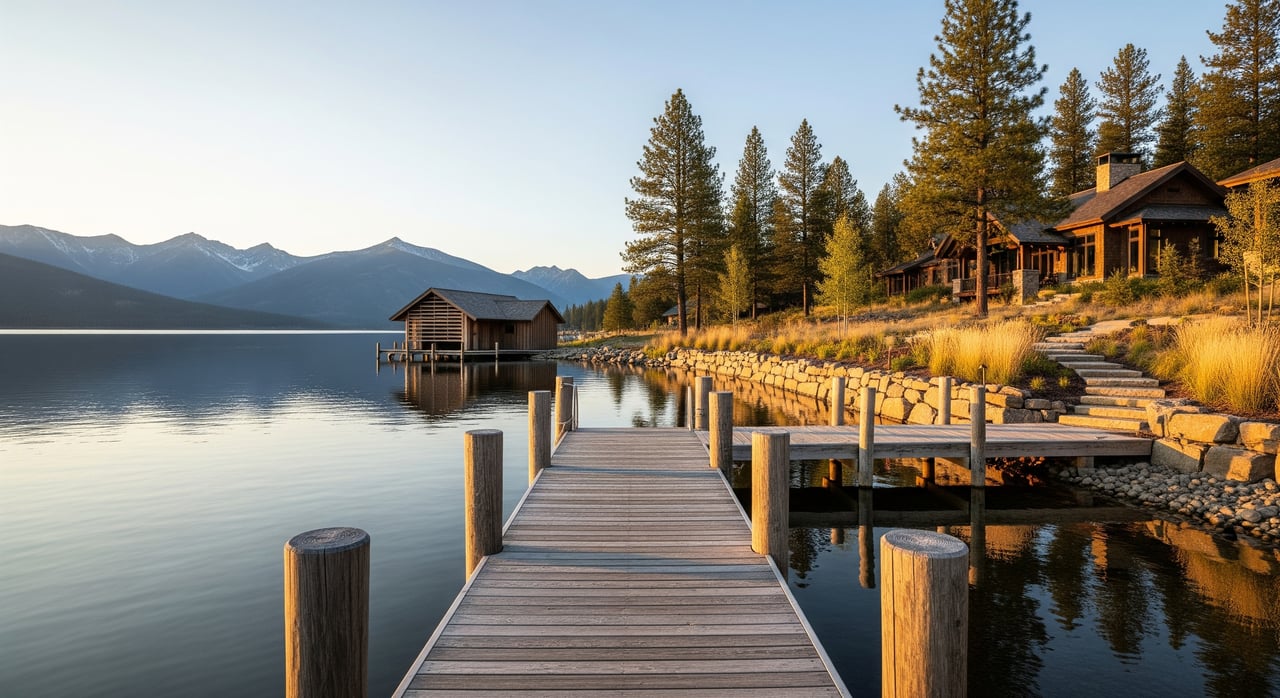
Kalispell Lakefront Buying Guide: Access, Docks, Permits
Dreaming of stepping off your deck and onto a dock with Flathead Lake spread out in front of you? Before you fall for a view, make sure you can legally reach the shore, keep a dock in the water, and meet local permit rules. Lakefront near Kalispell offers incredible lifestyle value, but small details about access, docks, and approvals can make or break your plans. This guide shows you what to verify, who to call, and how to protect your investment. Let’s dive in.
Kalispell sits in the heart of Flathead County, with some of Montana’s most sought-after lakes nearby. Flathead Lake is a regional anchor and is often described as the largest natural freshwater lake west of the Continental Divide in the lower 48 states. Whitefish Lake is smaller and close to town, with popular recreation and lakeside homes. Across the county you will also find smaller lakes, ponds, and reservoirs with a range of access types.
Local conditions shape how you use a waterfront property. Winters bring freeze and thaw cycles, and ice movement can damage docks or shoreline structures. Water levels can fluctuate across seasons and years, which may affect setbacks and erosion. Montana also enforces aquatic invasive species prevention, and you should expect boat inspection and cleaning requirements before launching.
Legal access is the foundation of a lakefront purchase. A lakeside address or a nearby path does not guarantee you can lawfully reach or use the water.
These rights relate to reasonable use of the shoreline and water access, such as mooring or launching a boat. The scope depends on your deed, local law, and whether the water body is considered navigable. Always confirm how these rights apply to your specific parcel.
In many cases, the state holds title to the bed of navigable waters in trust for public use, and private ownership may stop at the high-water mark. That can trigger state authorization for any structure that occupies or crosses the lakebed. Confirm whether your lake is considered navigable and whether a state lease or license applies to your dock.
Docks are central to lake living, but design, condition, and permits matter. You need to know what is in place, what is legal, and what it takes to maintain or improve it.
Ice movement is a real factor across Flathead County lakes. Many owners remove seasonal docks before freeze-up or build with materials and anchoring designed for ice. If a dock stays in, verify it was engineered and permitted for the conditions at that site. A qualified dock contractor can assess service life and risk of ice damage.
Any electrical work near the water must meet code and typically requires permits and inspections. Proper anchoring and hardware protect against storms and wave action. Docks and boathouses can change your insurance needs, so check coverage, exclusions for ice damage, and any mitigation required. Keep written records of maintenance and upgrades.
Mooring rights often run with the property or are tied to recorded leases, marina memberships, or HOA allocations. Do not assume an existing slip automatically transfers. Verify the status, transfer rules, and any waitlists before you rely on a slip for your boating season.
Rules vary by lake and parcel, so start early and document everything. Pre-application conversations can save months of time later.
Expect shoreland zoning rules, building permits for lake structures, setbacks, and floodplain maps. Ask about any recorded approvals or open violations for the property. County records can also help you understand public access points and shoreline overlays.
The Department of Natural Resources and Conservation manages state-owned lands and often issues leases or licenses for structures on the bed of navigable waters. If your dock occupies the state-owned bed, you may need a lease or other authorization. Confirm if one exists and whether it transfers at closing.
FWP leads aquatic invasive species prevention and boat inspection requirements. They also publish boating guidance and local no-wake or safety rules. Plan your boat cleaning and inspection steps before launching or transporting watercraft.
The U.S. Army Corps of Engineers may require permits for work in navigable waters under Section 10 and for dredge or fill under Section 404. The Montana Department of Environmental Quality may review projects that affect water quality or wetlands. If you plan dredging, shoreline stabilization, or significant dock work, ask both agencies what thresholds apply.
Flathead County Environmental Health handles septic permitting, inspections, and setback requirements from water bodies. Local HOAs or lake associations can limit dock size, placement, or materials. If tribal or federally managed lands are nearby, additional coordination may be needed.
Use this quick list to structure your offer period and reduce surprises:
Dock budgets vary widely with size, materials, water depth, and site access for equipment. Materials like composite or aluminum can reduce maintenance but raise upfront costs. Boat lifts, covered slips, and power run-ups add complexity and permitting. Labor availability and seasonal windows can also affect timing and price.
Beyond construction, plan for ongoing costs. These can include state lease fees for structures on a state-owned lakebed, HOA dues, and shared-dock maintenance. Insurance premiums may change with a dock or boathouse, and some policies limit ice or storm coverage. Routine maintenance such as hardware replacement, float repairs, or re-decking should be part of your annual plan.
If you plan to list a lakefront property, a clean document set builds buyer confidence. Gather surveys, title reports, all dock permits, and any DNRC leases. Include septic records, maintenance logs, and any contractor reports on the dock or shoreline. Clear, organized records can help you avoid price erosion from uncertainty.
Buying lakefront near Kalispell is about clarity. Confirm legal access, understand your dock’s status, and map the permits you may need. Start with county planning, DNRC, and FWP, then bring in a dock contractor for a condition review and cost estimates. Build contingencies around permits, leases, and inspections so you can move forward with confidence.
If you want a trusted partner to quarterback the process across Montana’s lake markets, reach out to Tyree Real Estate, Inc.. We combine hands-on service with lifestyle property expertise to help you secure the right shoreline and the right approvals.
Stay up to date on the latest real estate trends.

At Tyree Real Estate, our experienced team is deeply committed to the Montana community and your real estate success. Let us help you find your perfect home today!