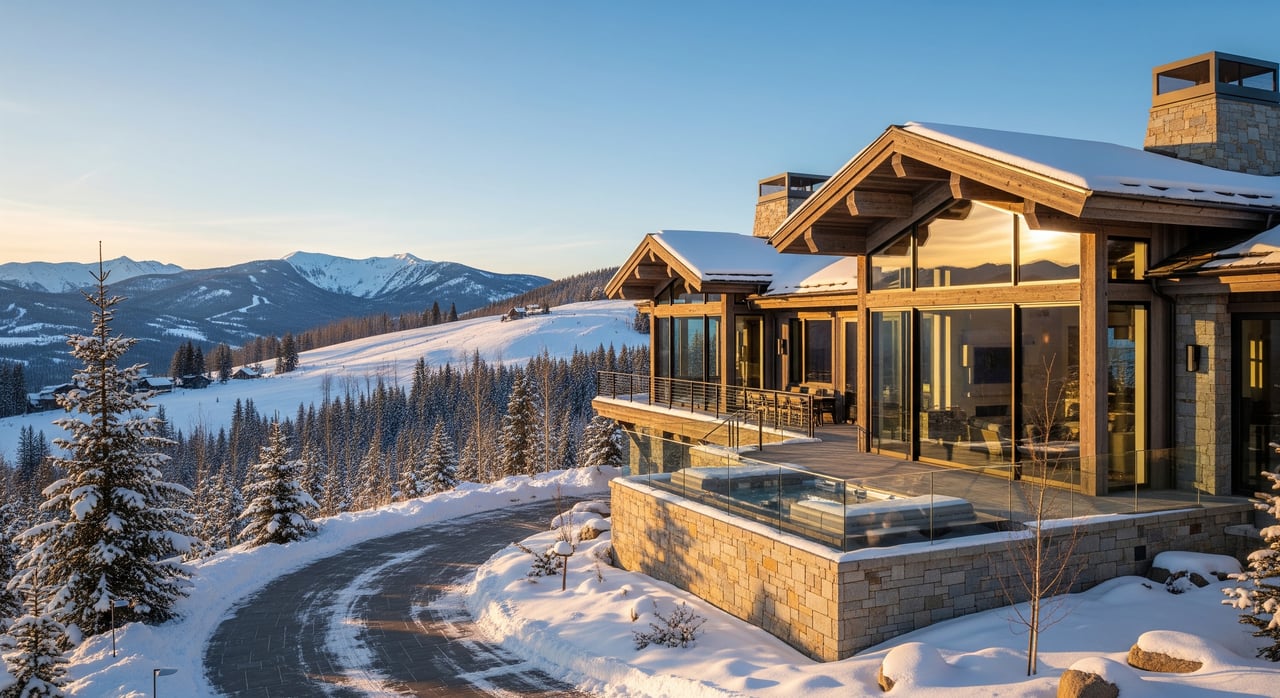
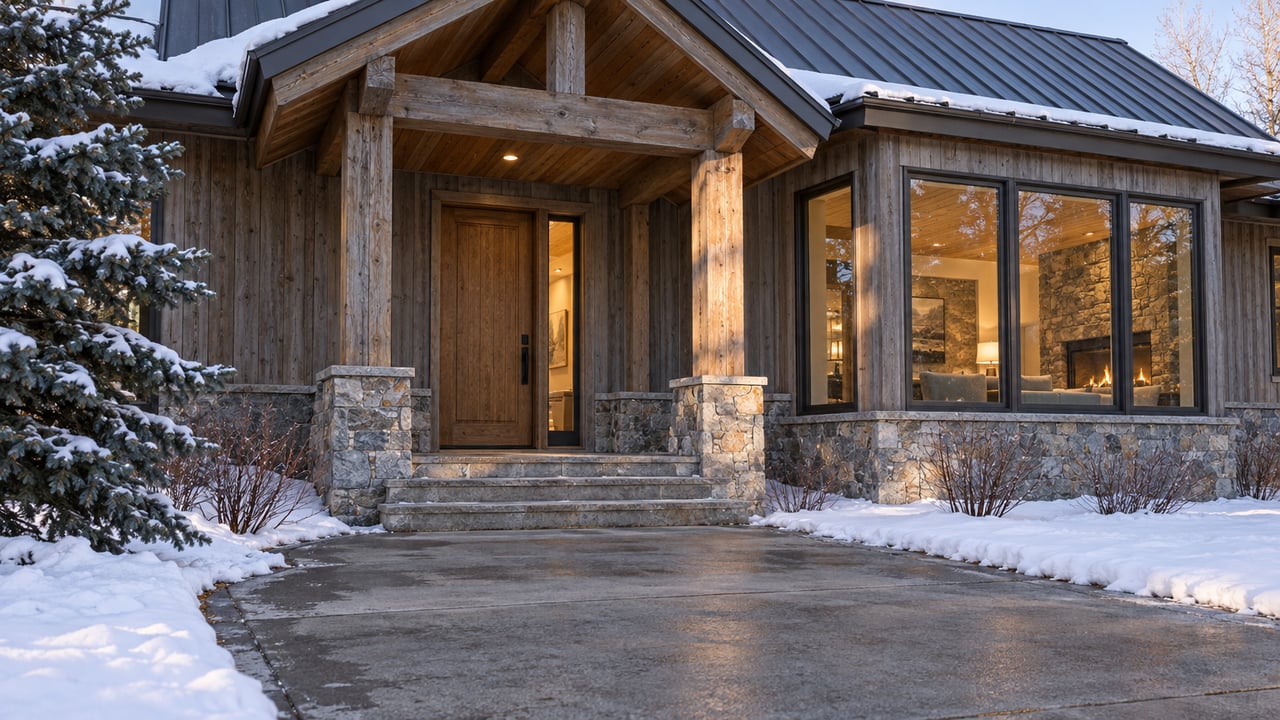
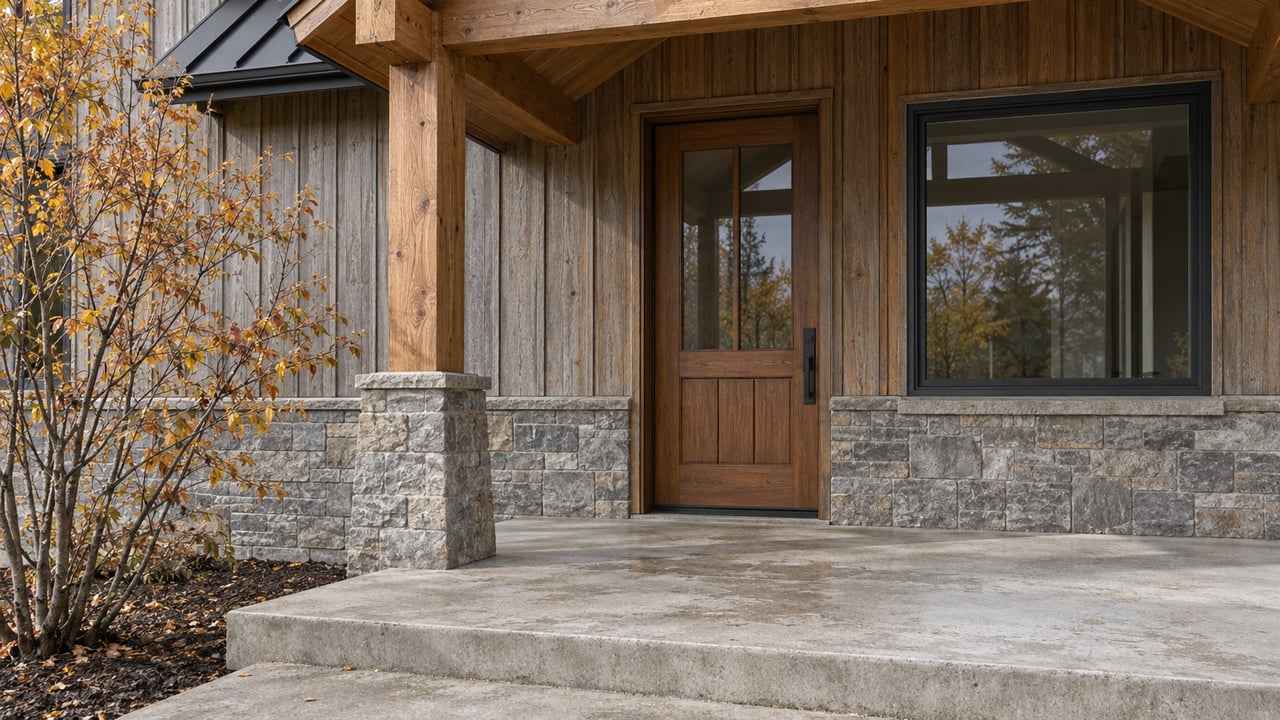
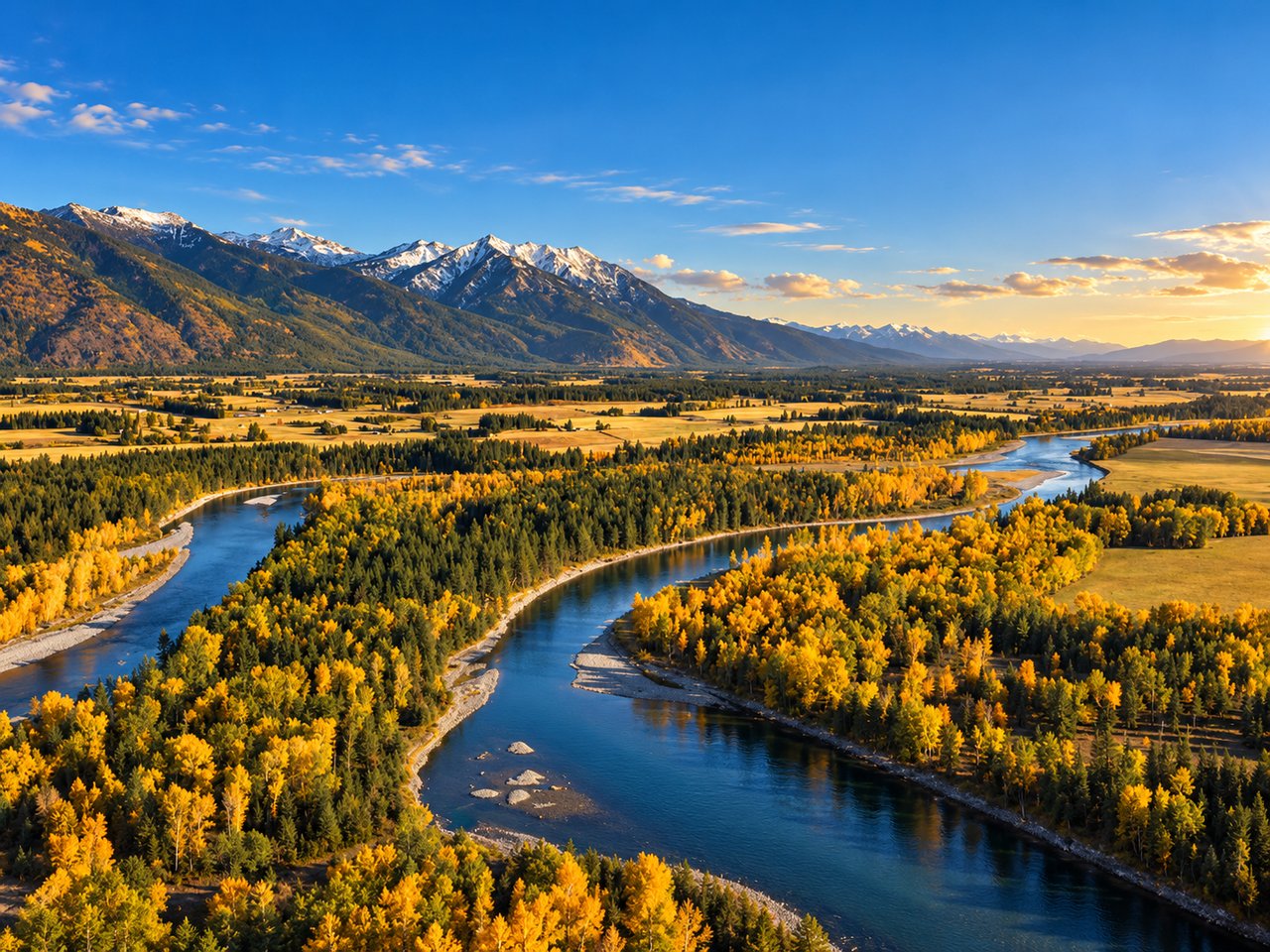
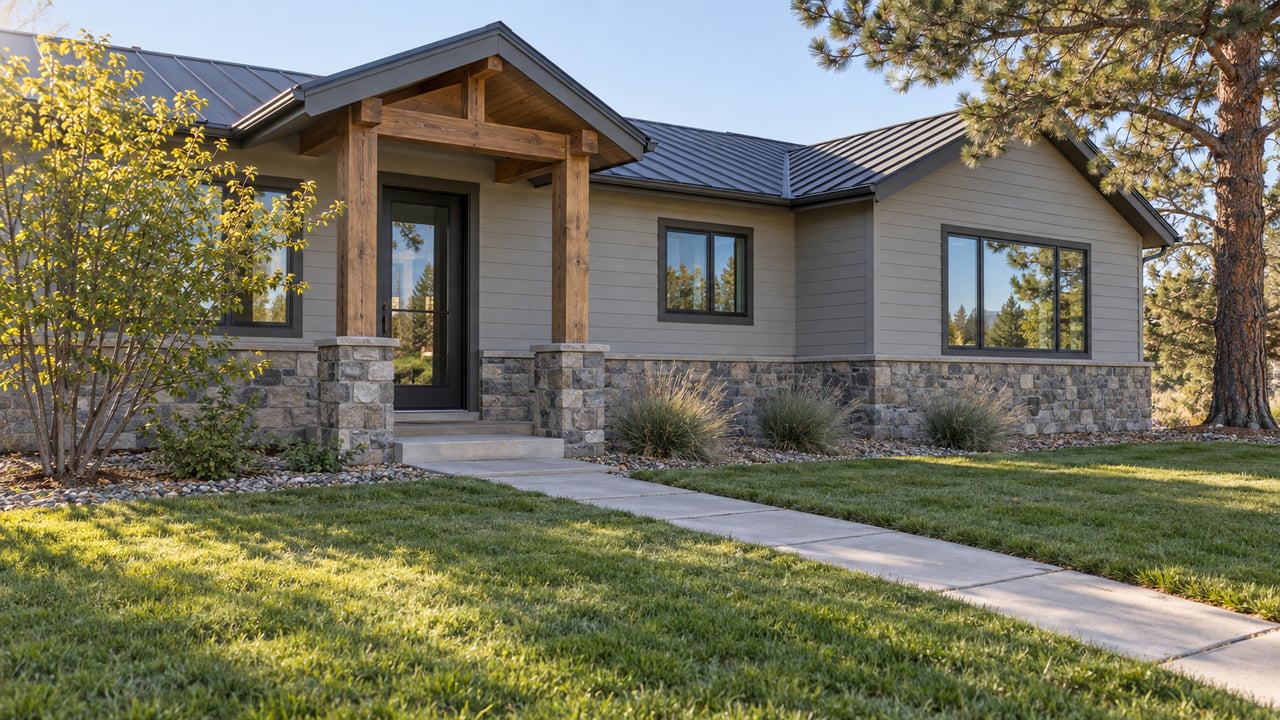
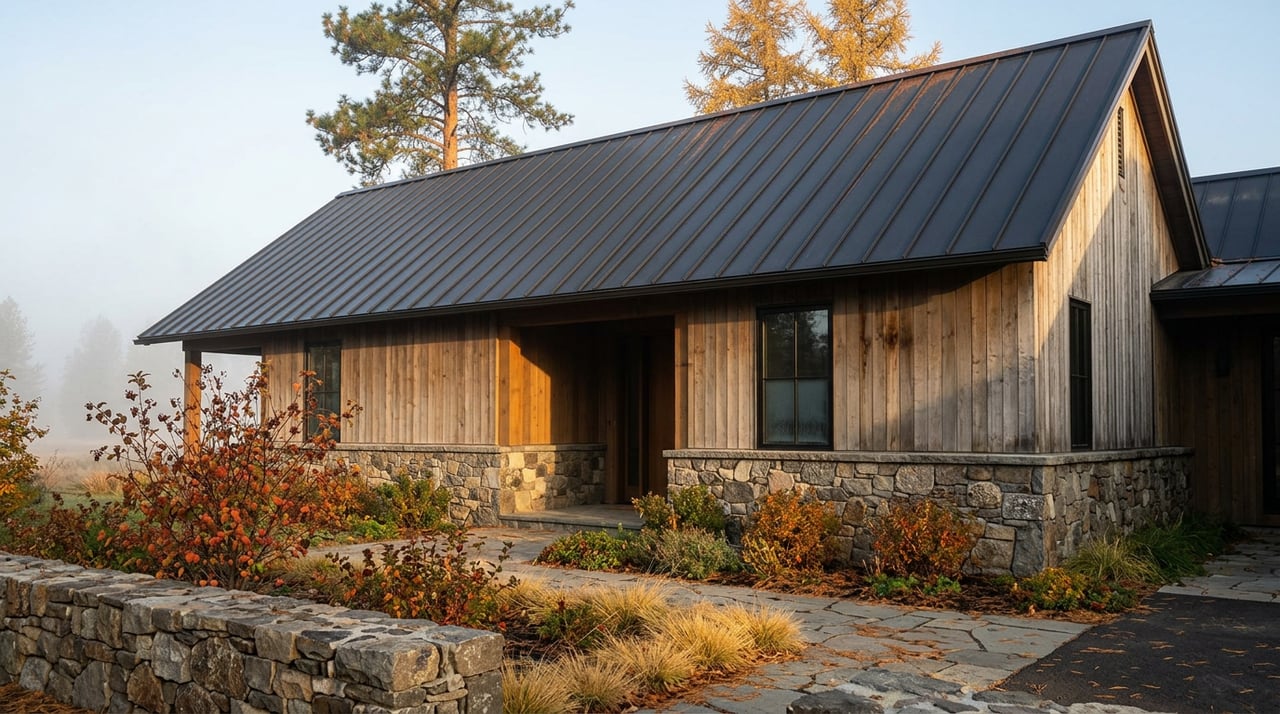
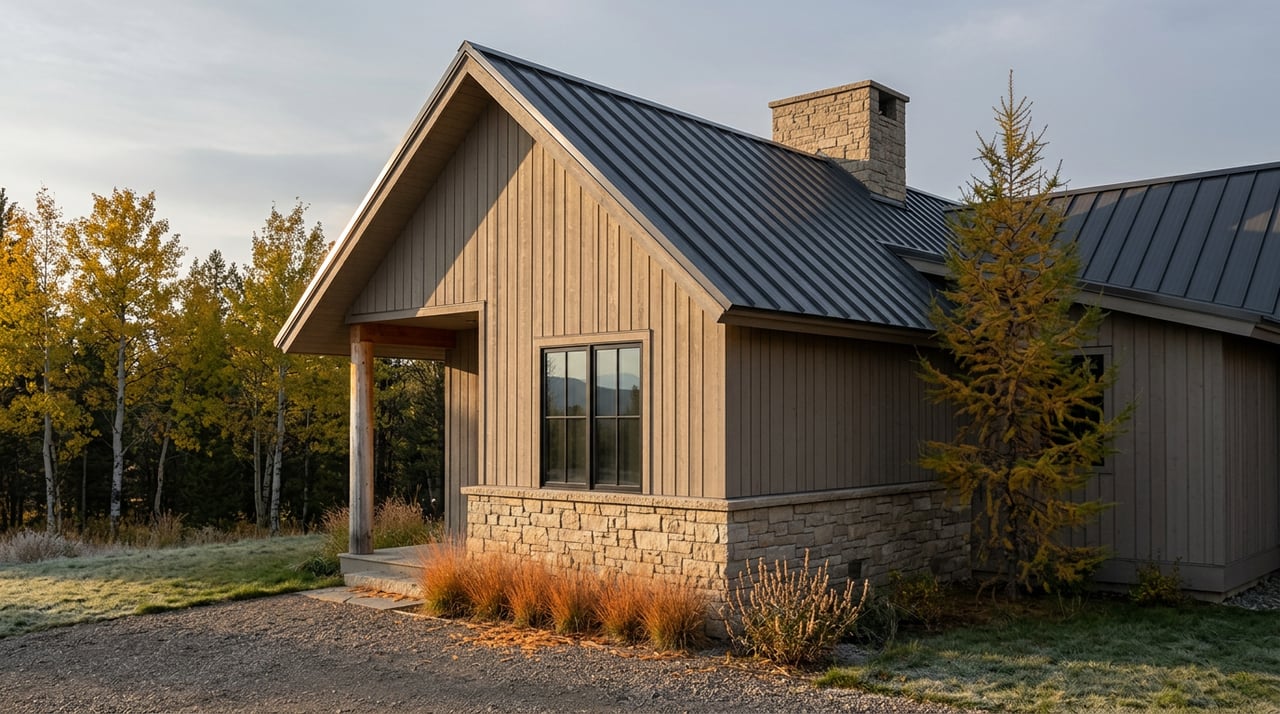
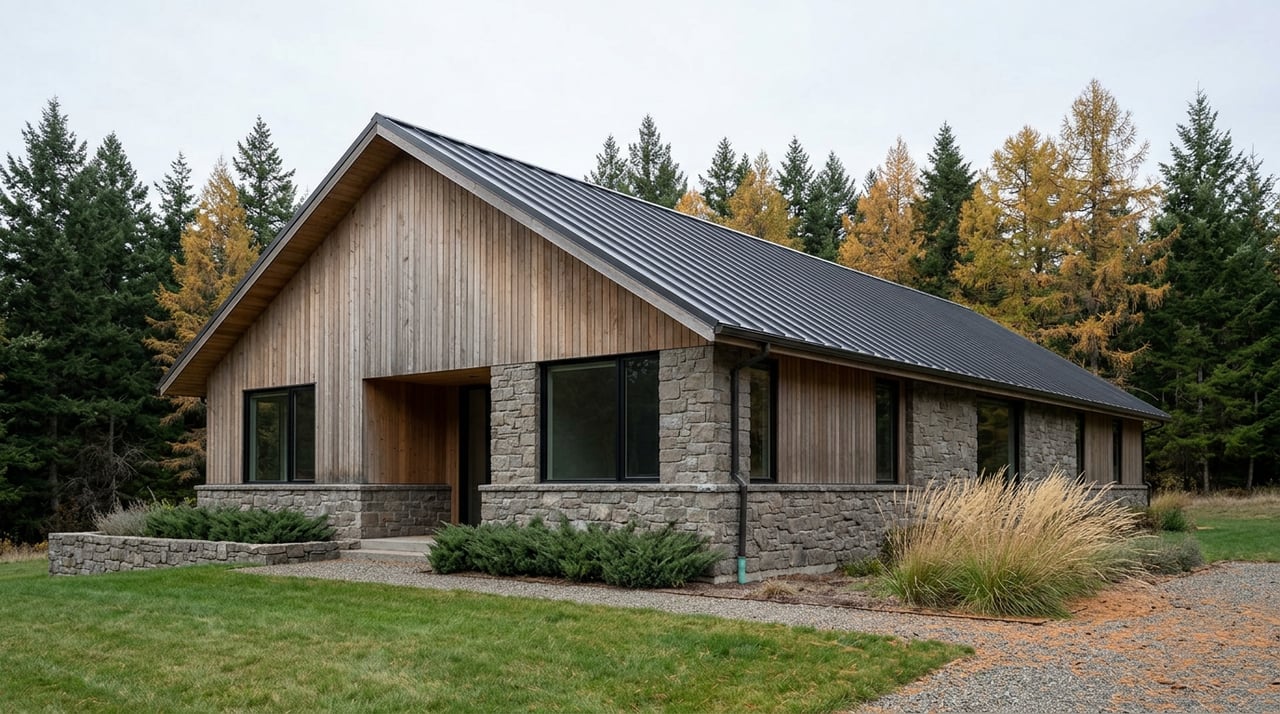
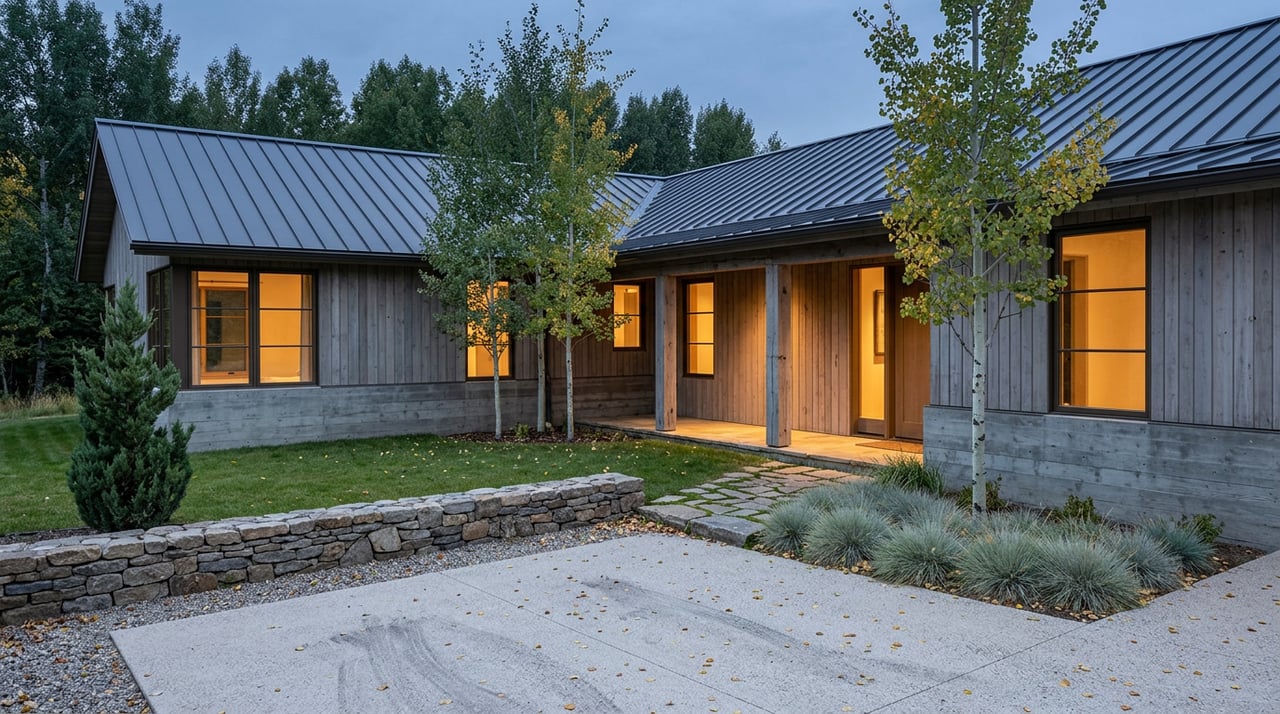
Picture this: you click out of your skis, grab a coffee, and you’re home in minutes. Or maybe it’s summer on Whitefish Lake, and the kids are jumping off the dock before dinner in town. If you’re weighing a move or second home in Whitefish ski country, you’re choosing a lifestyle as much as a property. In this guide, you’ll learn how different neighborhoods align with your goals, what it really costs to own here, how financing and short‑term rental rules work, and which seasonal risks to plan for. Let’s dive in.
Why Whitefish draws buyers
Whitefish blends mountain energy with lake living. The town’s four‑season economy centers on Whitefish Mountain Resort and Whitefish Lake, with steady tourism in both winter and summer. Easy access to the slopes and the airport matters if you travel often. Glacier Park International Airport in Kalispell offers convenient regional connections that shorten your door‑to‑door time.
Visitors come year‑round for skiing, hiking, and lake time, which supports local shops and restaurants. For a feel of community life and events, browse Visit Whitefish for the town’s seasonal rhythms.
Pick your property fit
Your best choice depends on how you plan to use the home, your maintenance tolerance, and whether rental income is part of the plan. Here are the four most common options and what to expect with each.
Slopeside condos
If you prioritize time on snow and easy ownership, slopeside or resort‑adjacent condos are hard to beat. Most offer ski‑in/ski‑out access or a short walk to the lifts, plus amenities like lockers, shared laundry, and structured parking. HOAs are standard and handle much of the exterior work.
- Best for: Weekend skiers, buyers wanting convenience and low on‑site maintenance, and those planning short‑term rentals where allowed.
- Tradeoffs: Expect higher HOA dues, possible resort assessments, limited private outdoor space, and seasonal traffic. Rental rules can vary by building.
- What to verify: HOA financials and reserves, master insurance, special assessments, parking and storage rules, and any rental restrictions.
Near‑resort homes
Detached homes close to the mountain offer more room for gear, parking, and privacy without being directly on the slopes. You’ll drive a few minutes to the base and skip some of the bustle.
- Best for: Buyers who want space for family and friends without condominium rules.
- Tradeoffs: Lower or no HOA oversight but more hands‑on winter work like driveway snow removal and roof snow management. Traffic still ramps up in peak seasons.
- What to verify: Driveway grade and winter access, county road maintenance, and utility setup for cold months.
Whitefish Lakefront
Lakefront or lake‑access properties focus on summer recreation, views, and privacy. The range runs from condos with shared docks to high‑end homes on the shore. Budgets typically need to stretch further for waterfront.
- Best for: Buyers who want a boat‑and‑beach lifestyle and are ready for lake‑specific upkeep.
- Tradeoffs: Higher prices, greater distance to the lifts, and seasonal lake activity. Shoreline rules and floodplain considerations can apply.
- What to verify: Dock permits, shoreline setbacks, and flood risk using the FEMA Flood Map Service Center. Check county planning requirements at Flathead County.
In‑town Whitefish
Walkable neighborhoods around downtown offer easy access to shops, dining, and services. You’ll find a mix of historic and newer single‑family homes, duplexes, and smaller condos.
- Best for: Full‑time residents and second‑home buyers who value convenience to daily needs.
- Tradeoffs: Smaller lots and less privacy than rural homes. Popular seasons can bring visitor traffic and parking pressure.
- What to verify: Whether the property is on municipal water and sewer, and any neighborhood rules that affect uses like short‑term rentals.
Plan for ownership costs
Budget for recurring line items plus seasonal expenses that are unique to mountain towns.
Property taxes and local fees
Montana has no state sales tax, which can help with big local purchases. For real property, your tax bill is set locally by assessment and mill levies. Check the latest assessed value and rates with the county. The Montana Department of Revenue and Flathead County provide current guidance and records.
HOA and condo fees
Resort‑area condos often carry higher dues to cover shared utilities, snow removal, exterior maintenance, shuttle services, and amenities. Ask for the HOA’s financials, reserve study, insurance details, and a history of special assessments so you can plan ahead.
Insurance
Insurance can be costlier in resort and wildland‑urban interface areas. Wildfire exposure, seasonal vacancy, and short‑term rental liability can all affect premiums and coverage availability. Begin quotes early and confirm that carriers will write the policy you need for the exact use you intend.
Utilities and winter costs
- Heat: Many properties use propane, electric, or wood/pellet systems. Winter heating is a major line item, especially at higher elevations.
- Water/sewer: In‑town homes often have municipal service. Rural and lakefront homes may rely on wells and septic systems, which require inspections and routine maintenance.
- Snow: Budget for driveway plowing, roof snow management, and higher wear on exterior surfaces. If the road is private, confirm who pays for winter maintenance.
- Internet: Service levels vary by location. If you work remotely, verify providers and speeds before you write an offer.
Maintenance, vacancy, and management
- Seasonal chores: Plan for winterizing irrigation and docks, plus clearing gutters and managing snow load.
- Property management: Short‑term rentals typically need a local manager. Expect fees based on gross rental revenue.
- Vacancy: Even a second home needs winter caretaking and utility monitoring.
Financing, taxes, and rentals
Buying in a resort area adds a few twists to the usual process. Lenders, tax advisors, and the city can help you align your plan with current rules.
Mortgage types
- Second home: Lenders may classify the property as a second home if you intend to use it yourself and not primarily as a rental. Down payment and rate requirements vary by lender and credit profile.
- Investment property: If the primary goal is rental income, expect higher down payments, higher rates, and stricter debt‑to‑income rules.
- Jumbo loans: High‑value lakefront or luxury homes may require jumbo financing with different underwriting standards.
Local lenders in Flathead County understand vacation‑home use and seasonal income patterns. Be direct about your intended use so the loan type fits from the start.
Tax considerations
Everyone’s situation is different, so talk to your tax advisor. A few local touchpoints:
Short‑term rental rules
Short‑term rentals are regulated by the city and often by HOAs. Before you buy, confirm whether STRs are allowed, what permits you need, and what safety or inspection standards apply. Start with the City of Whitefish for current business registration, zoning, and compliance details. Then review your association’s CCRs for any separate restrictions.
Seasonal and physical risks to evaluate
Mountain and lake properties are shaped by the elements. Add these checks to your due diligence so you know what you’re buying.
- Winter access and snow load: Higher‑elevation homes can see heavier snow and limited access during storms. Verify driveway grade, who plows, and whether roads are county‑maintained year‑round.
- Avalanche exposure: Homes at the base of steep terrain may sit within recognized avalanche paths. If you have concerns, ask county planning for any hazard mapping and consult a qualified engineer.
- Wildfire risk: Northwest Montana has seen increased wildfire activity. Ask about defensible space, vegetation management, and how risk affects insurance availability and cost.
- Flooding and shoreline rules: Lakefront and river properties may sit in mapped floodplains or be subject to shoreline setbacks. Check FEMA maps at the FEMA Flood Map Service Center and confirm local requirements with Flathead County.
- Wells and septic: Older systems may need repair or replacement. Confirm inspection reports and permitting requirements early.
Buyer profiles and smart tradeoffs
- Weekend skier: Choose slopeside or resort‑adjacent condos for maximum time on snow and minimal maintenance. Budget for higher HOAs.
- Full‑time family: Look in town or near the resort on roads with reliable winter maintenance. You’ll value year‑round services and space.
- Lake lover: Focus on lakefront or lake‑access homes for summer recreation and privacy. Plan for shoreline rules and dock upkeep.
- Investor/STR: Target condos or homes with proven guest access and parking, subject to city and HOA rules. Model management costs and seasonality.
Your due diligence checklist
Use this list to keep your purchase on track and avoid surprises.
- Confirm intended use with your lender: primary, second home, or investment.
- Request HOA documents: CC&Rs, financial statements, reserve study, and meeting minutes.
- Review recent utility bills, HOA dues, and any special assessments.
- Order inspections tailored to mountain homes: roof snow load capacity, chimney and woodstove safety, heating system condition, insulation and window seals, and foundation.
- Verify septic and well inspections or municipal water/sewer connections.
- Check access details: driveway grade, private road agreements, and plowing responsibilities.
- Ask for past insurance claims history and get early quotes for wildfire and flood coverage.
- Research short‑term rental rules and any lodging taxes at the City of Whitefish and confirm HOA restrictions.
- Review property tax history and assessed value with Flathead County.
- For lakefront: verify riparian rights, dock permits, setbacks, and shoreline easements. Cross‑check flood mapping at the FEMA Flood Map Service Center.
- Confirm broadband options if remote work is important.
Get oriented with local sources
When you want the latest on operations, regulations, or community life, go straight to the source:
Ready to explore Whitefish?
Whether you want ski‑in convenience, a quiet cul‑de‑sac near the mountain, or long summer days on the lake, you deserve a trusted guide who understands the tradeoffs and the paperwork behind them. Our team pairs hands‑on service with statewide reach so you can compare options, line up inspections, and close with confidence from anywhere. If you’re ready to take the next step, connect with Tyree Real Estate, Inc. to start a focused, low‑stress search.
FAQs
What are the main Whitefish property types?
- Slopeside condos, near‑resort homes, lakefront properties, and in‑town neighborhoods. Each has distinct tradeoffs in price, maintenance, privacy, and rental potential.
How do short‑term rental rules work in Whitefish?
- STRs are regulated by the city and often by HOAs. Confirm permits, zoning, and compliance requirements with the City of Whitefish and review association rules before you buy.
Are Montana property taxes high in Whitefish?
- Taxes are assessed locally and depend on your property’s assessed value and mill levies. Check current figures with Flathead County and plan your budget accordingly.
Is homeowners insurance difficult to obtain near the resort?
- Availability and cost depend on location and risk factors like wildfire and seasonal vacancy. Obtain quotes early and confirm coverage for your intended use.
What seasonal risks should I evaluate before buying?
- Verify winter access and snow load, check for avalanche exposure where relevant, assess wildfire risk, and confirm floodplain or shoreline restrictions using the FEMA Flood Map Service Center.