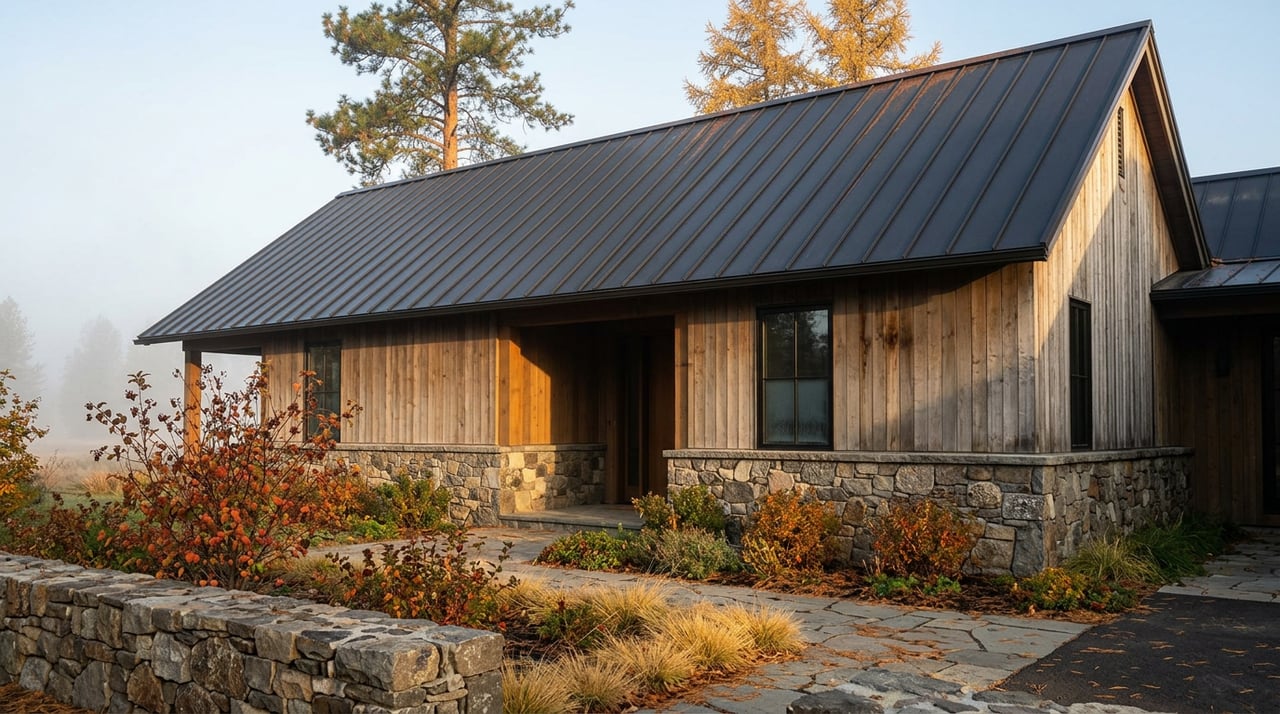
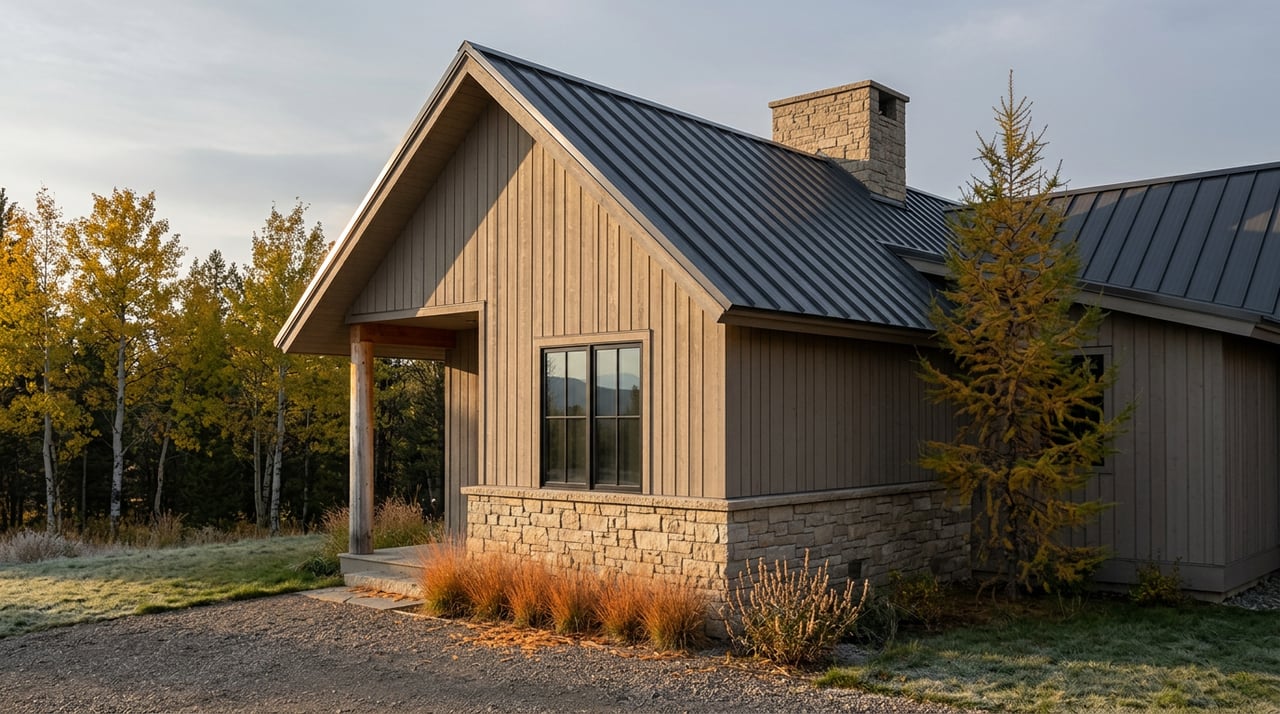
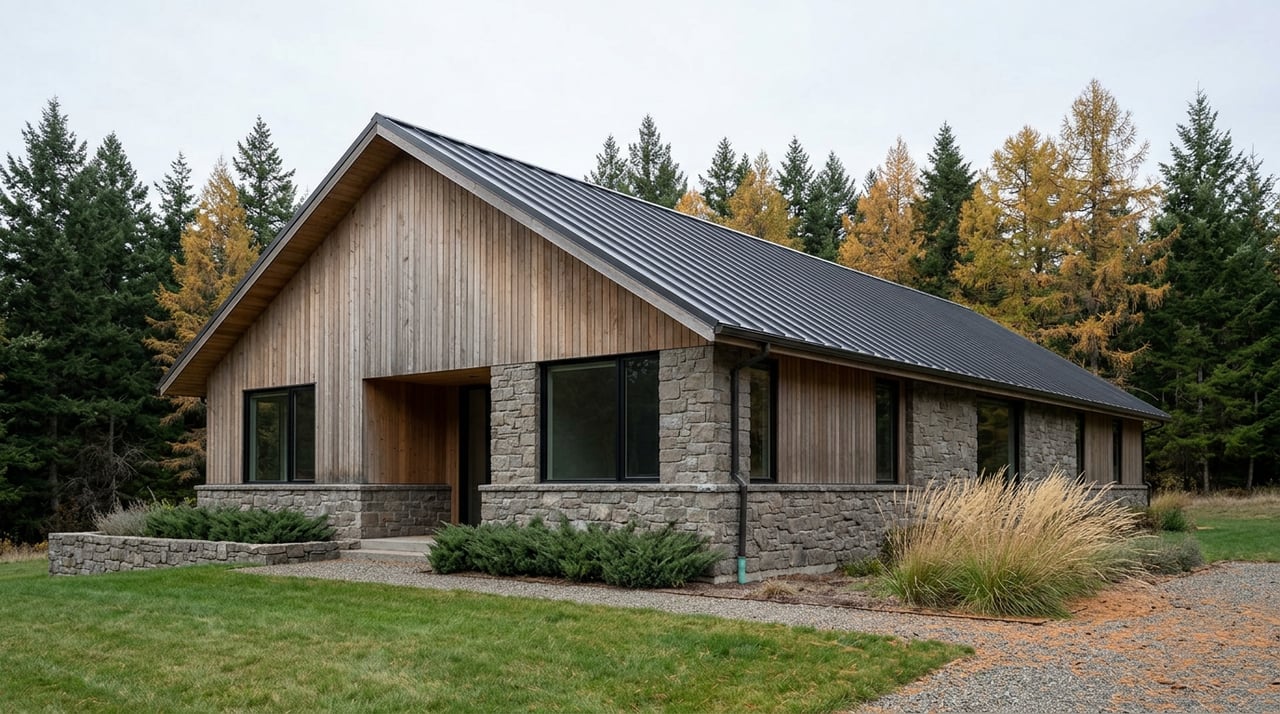
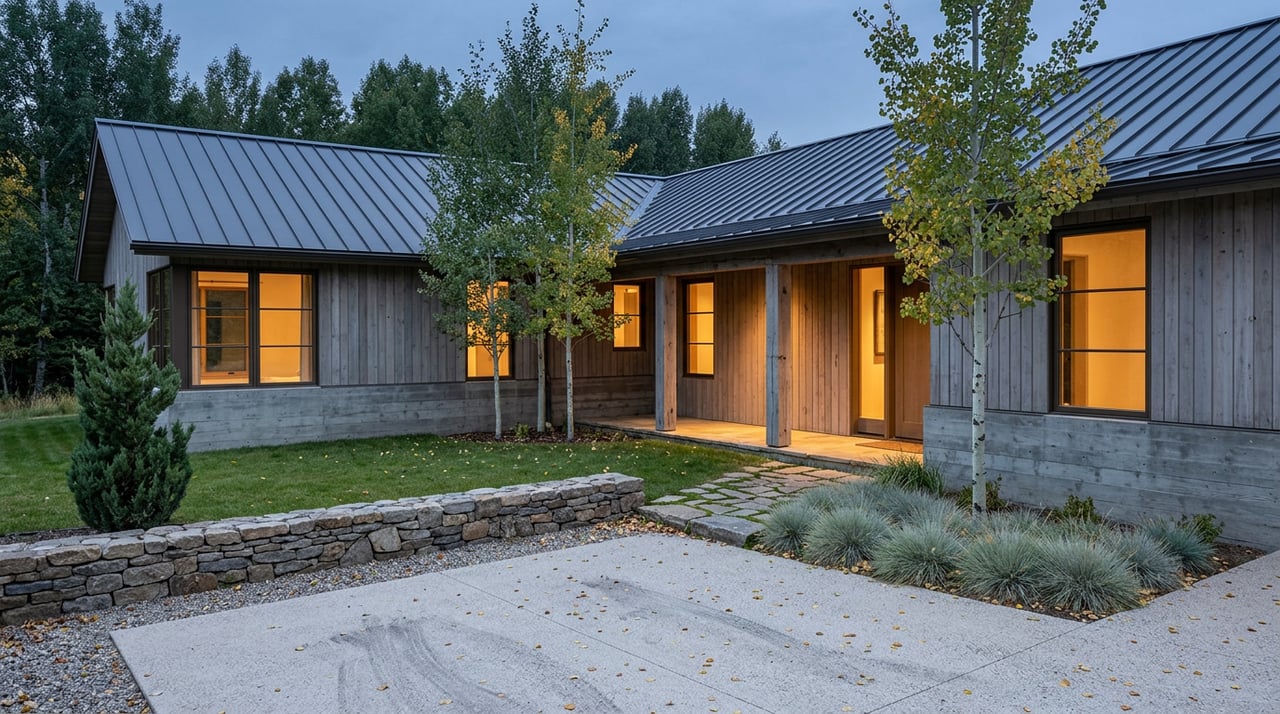
Thinking about adding an accessory dwelling unit to your Bozeman property? You are not alone. With strong housing demand in Bozeman and across Gallatin County, many homeowners see ADUs as a way to create flexible space, support multigenerational living, or generate rental income. This guide walks you through what to check, how approvals work, and the practical steps to get an ADU from idea to move-in. Let’s dive in.
What counts as an ADU
An accessory dwelling unit is a secondary housing unit on the same lot as a primary single-family home. It can be attached to the main house or separate.
Common types include:
- Attached ADU inside or added to the home, like a basement apartment or in-law suite.
- Detached ADU in a separate backyard structure.
- Garage conversion ADU that repurposes an existing garage.
- Junior ADU created within the existing footprint of the home.
Why it matters: Local zoning and health regulations control where ADUs are allowed, how big they can be, and what the process looks like in Bozeman and Gallatin County.
City vs. county: know your jurisdiction
Your first job is to confirm where your property sits on the map:
- The City of Bozeman sets zoning, size, parking, and permit rules inside city limits and issues building permits through Building Services.
- Gallatin County sets rules for unincorporated areas outside city limits. Standards can differ from the city.
- The Gallatin City-County Health Department oversees wells and septic systems for properties not on city utilities.
- Private rules from HOAs or historic overlays can be stricter than city or county code.
Always verify current rules with City of Bozeman Planning or Gallatin County Planning. Policies evolve as communities respond to growth and housing needs.
Key rules to review
ADU standards vary by zone and property. Use these checkpoints to structure your research.
Zoning and location
- Confirm that ADUs are allowed in your specific zoning district. Some zones permit both attached and detached ADUs, while others limit type or location.
- Check for any minimum lot size or frontage requirements for detached units.
Size and height
- Many cities set maximum square footage for ADUs. Limits often differ for attached and detached units.
- Height and bulk standards for accessory structures usually apply to detached ADUs.
Setbacks and lot coverage
- Rear and side-yard setbacks, plus total lot coverage, often control where a detached ADU can sit.
- Corner and alley lots may have special rules.
Parking
- Some jurisdictions require at least one off-street space for an ADU, with possible exceptions in certain areas. Confirm current Bozeman policy for your zone.
Owner occupancy
- Some places require the owner to live in either the primary home or the ADU. Others do not. Verify current requirements before you plan the use of the unit.
Utilities and meters
- Ask whether separate water, sewer, and electric meters are allowed or required, and if separate addresses are issued for rentals.
- If you rely on a well or septic, coordinate early with the Health Department.
Historic and design review
- Properties in historic districts or design overlays may need design review or additional approvals.
Short-term rental use
- Bozeman has short-term rental regulations. ADU use for short-term rentals may be allowed or restricted, and often requires licensing or registration. Check if a primary residence rule applies, if caps exist, or if neighborhood overlays limit STRs.
Permits and timeline
Every project is unique, but most ADUs follow a similar path.
- Pre-application consult
- Meet with planning staff to confirm zoning, allowed ADU types, size, parking, and approval path. This early step can prevent costly redesigns.
- Plans and site layout
- Prepare a site plan, floor plans, and elevations showing setbacks, parking, utilities, drainage, and grading as needed.
- Zoning review
- Some ADUs are permitted by right, others may need design or conditional review. Variances extend the timeline.
- Building permit
- Submit structural, mechanical, electrical, and plumbing plans. Include energy compliance documents as required.
- Health review for septic or well
- If not on city utilities, the Health Department evaluates septic capacity and well separation distances. System upgrades may be required.
- Inspections
- Expect multiple inspections during construction, including foundation, framing, mechanical, and final.
- Certificate of Occupancy
- Receive final approval before anyone moves in or you begin renting.
Typical timelines:
- Zoning review: about 2 to 6 weeks, longer if variances or design review are needed.
- Building permit review: about 4 to 12 weeks, depending on complexity and plan quality.
- Construction: several months to a year, based on scope and contractor availability.
Expect fees for planning or zoning review, building permits and plan checks, septic or well permits if applicable, and utility connection or tap fees. Current fee schedules are available from the City of Bozeman and Gallatin County.
Building code and safety
Your ADU must meet Montana’s adopted building codes, generally based on the International Residential Code with state and local amendments. Key items include:
- Egress from bedrooms and living spaces.
- Fire-resistive separations between units for attached ADUs, plus interconnected smoke and CO alarms.
- Proper structural design, insulation, and energy efficiency.
- Mechanical ventilation and HVAC sizing that meet code.
- Electrical and plumbing systems installed to code, inspected, and approved.
Septic, wells, and utilities
If your property is not on municipal sewer and water, plan extra time for health approvals.
- Septic capacity is a common bottleneck. Additional bedrooms or a new dwelling unit often trigger system evaluations and possible upgrades or replacement.
- Well locations and separation distances must meet health and safety standards.
- For city utilities, ask about connection policies, tap fees, and whether separate meters are allowed or required for rentals.
Renting your ADU
Many homeowners build ADUs for long-term rental income.
- Check whether the city or county requires rental registration, licensing, or safety inspections.
- For short-term rentals, Bozeman’s rules address licensing, primary residence requirements, neighborhood overlays, and caps. ADU owners should confirm what is allowed in their zone before listing.
- Federal and local fair housing rules apply. Follow occupancy standards tied to health and safety codes and avoid discriminatory advertising or screening.
Costs, taxes, and insurance
Plan for construction, soft costs, and longer-term obligations.
- Construction costs vary by size, type, finishes, and site conditions. Include design fees, permit fees, connection fees, and potential septic upgrades.
- Property taxes typically rise when you add living area or a new structure. Contact the Gallatin County Assessor for how improvements affect assessed value.
- Rental income is taxable. Short-term rentals may involve local lodging taxes or occupancy taxes. Consult a tax professional.
- Insurance needs often change. Detached structures, separate rentals, and increased liability may require new or updated coverage.
Financing options
Homeowners commonly explore:
- Cash-out refinance or a home-equity line of credit.
- Construction-to-permanent financing or renovation loans.
- Savings or private financing.
Lenders differ on how they treat ADU income and appraisals. Some consider rental income after you document a lease. Speak with local lenders early to understand underwriting and timing.
Step-by-step checklist
Use this quick path to stay organized:
- Confirm if your property is inside Bozeman city limits or in unincorporated Gallatin County.
- Verify zoning and ADU allowances with planning staff. Request a pre-application meeting.
- Review HOA covenants and any historic district guidelines.
- Engage a designer or prepare plans that show setbacks, parking, and utilities.
- If on septic or well, consult the Health Department about capacity and any upgrades.
- Obtain zoning sign-off if needed, then submit the building permit application.
- Line up financing and contractor bids. Confirm contractor licensing in Montana.
- Complete inspections and secure the Certificate of Occupancy before use.
- If renting, complete any required registrations or licenses and update your insurance.
Common pitfalls to avoid
- Skipping the pre-application meeting and discovering a zoning issue later.
- Ignoring septic capacity when not on city sewer.
- Designing a detached ADU that cannot meet setbacks or lot coverage.
- Overlooking parking requirements or alley access rules.
- Assuming short-term rentals are allowed without confirming licensing and neighborhood rules.
- Underestimating timelines for reviews, revisions, and contractor schedules.
Next steps
An ADU can add flexibility, value, and options to your Bozeman property, but success starts with clear planning and the right sequence. Confirm your zoning, line up the right experts, and build a realistic budget and timeline. If you are weighing an ADU to support a future sale or you are searching for a Bozeman-area home with ADU potential, connect with a Montana brokerage that understands both residential neighborhoods and larger land dynamics across the state. Reach out to Tyree Real Estate, Inc. to talk through your plans and explore smart next steps.
FAQs
Can I build an ADU on my Bozeman property?
- It depends on city versus county location, zoning, setbacks, lot coverage, utilities, and any HOA or historic overlay rules. Start with a planning consult to confirm.
Do I have to live in one of the units for ADU approval?
- Owner-occupancy rules vary by jurisdiction and can change, so verify the current policy with the City of Bozeman or Gallatin County before you finalize plans.
Can I use an ADU as a short-term rental in Bozeman?
- Possibly, but Bozeman regulates short-term rentals. Confirm licensing, primary residence requirements, neighborhood overlays, and any caps before listing.
Will my septic system handle a new ADU?
- Not always. Many projects require a septic capacity evaluation and potential upgrades if the property is not on municipal sewer. Contact the Health Department early.
How long do ADU permits and construction take in Gallatin County?
- Allow several weeks for zoning and building reviews, plus months for construction. Variances, design review, or complex plans can add significant time.
Will my property taxes go up after building an ADU?
- Likely yes. New living space usually increases assessed value. Ask the Gallatin County Assessor how your specific improvements may be valued.